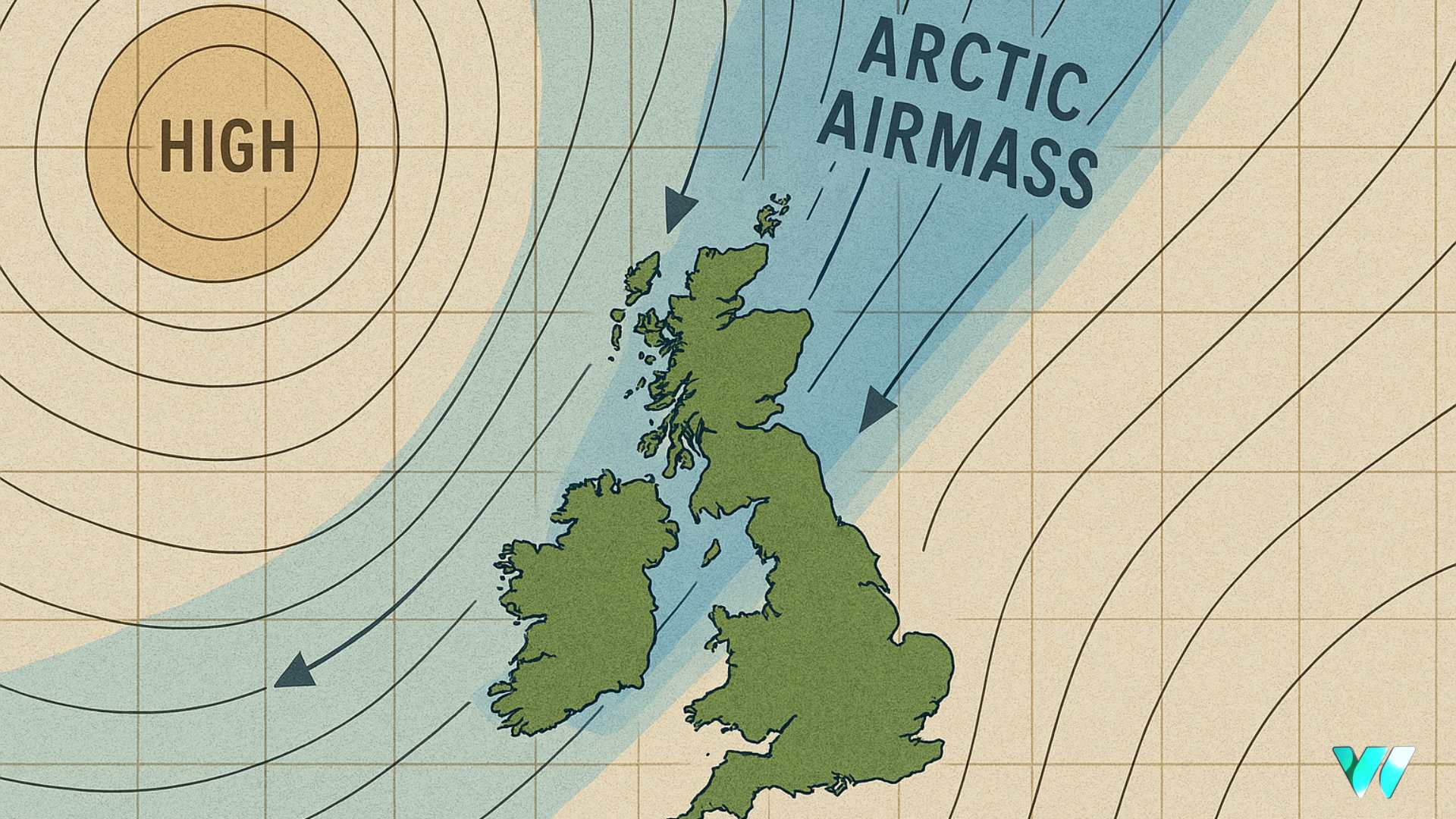




Marine heatwave off Ireland ‘unprecedented but not unexpected’
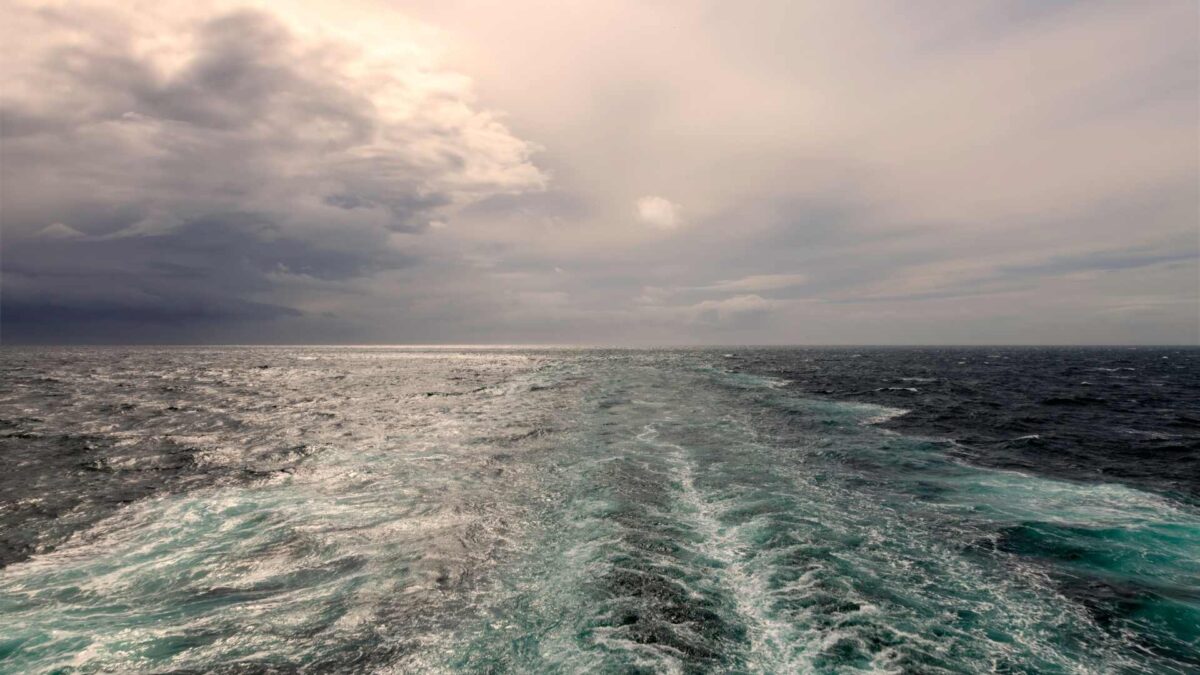
The June 2023 heatwave in northern European seas was unprecedented but not unexpected, according to new research.
Temperatures in the shallow seas around Britain and Ireland, including the North Sea and Celtic Sea, rose to 2.9 degrees above the June average for 16 days.
While the event was the most extreme on record, the study warns that rapid climate change now gives about a 10 per cent chance of a marine heatwave of this scale each year.
The prolonged warmth disrupted phytoplankton blooms and may have affected marine species, while also increasing concentrations of bacteria harmful to humans.
The research was carried out by the University of Exeter, the UK Met Office and Cefas.
“Our findings show that marine heatwaves are a problem now, not just a risk from future climate change,” said Dr Jamie Atkins, who led the study during his PhD at Exeter and is now at Utrecht University.
Co-author Professor Adam Scaife, Head of Long Range Forecasting at the Met Office, said steady climate warming is driving a rapid increase in extreme events.
The study found that in the Celtic Sea, off the south coast of Ireland, the annual chance of such a heatwave has risen from 3.8 per cent in 1993 to 13.8 per cent today. In the central North Sea, the chance has climbed from 0.7 per cent to 9.8 per cent.
Previous research also showed the June 2023 heatwave contributed to record-breaking land temperatures and heavier rainfall across Ireland and Britain.
The paper, Recent European marine heatwaves are unprecedented but not unexpected, is published in Communications Earth & Environment.
Share this WeathÉire story: