

Ireland Faces Harsher Winters if Atlantic Circulation Fails

A major international report has warned that the Atlantic Meridional Overturning Circulation (AMOC), a key system of ocean currents that helps regulate Ireland’s climate, is at risk of collapse if global warming exceeds 2°C.
The Global Tipping Points Report, released today by the University of Exeter and 160 scientists from 87 institutions, identifies AMOC as one of several Earth systems nearing irreversible tipping points.
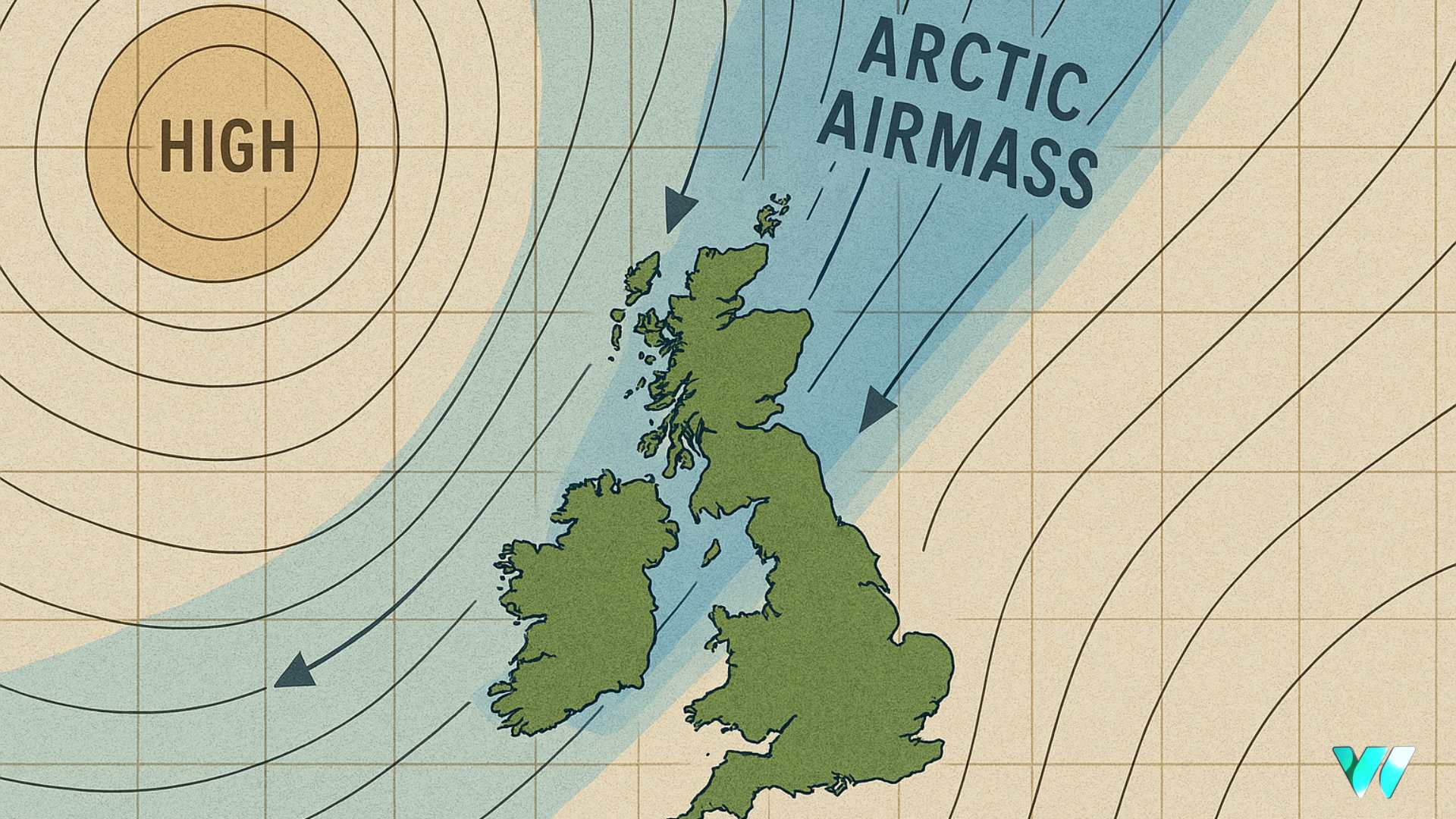
A collapse of the AMOC would deliver significantly harsher winters to Ireland and north-west Europe, while also disrupting monsoon systems in Africa and Asia, reducing agricultural yields, and threatening global food security.
The AMOC transports warm water from the tropics to the North Atlantic and plays a crucial role in maintaining Ireland’s relatively mild climate. Its potential collapse is among the most serious risks outlined in the report, which also highlights the widespread dieback of warm-water coral reefs and the increasing vulnerability of the Amazon rainforest and polar ice sheets.
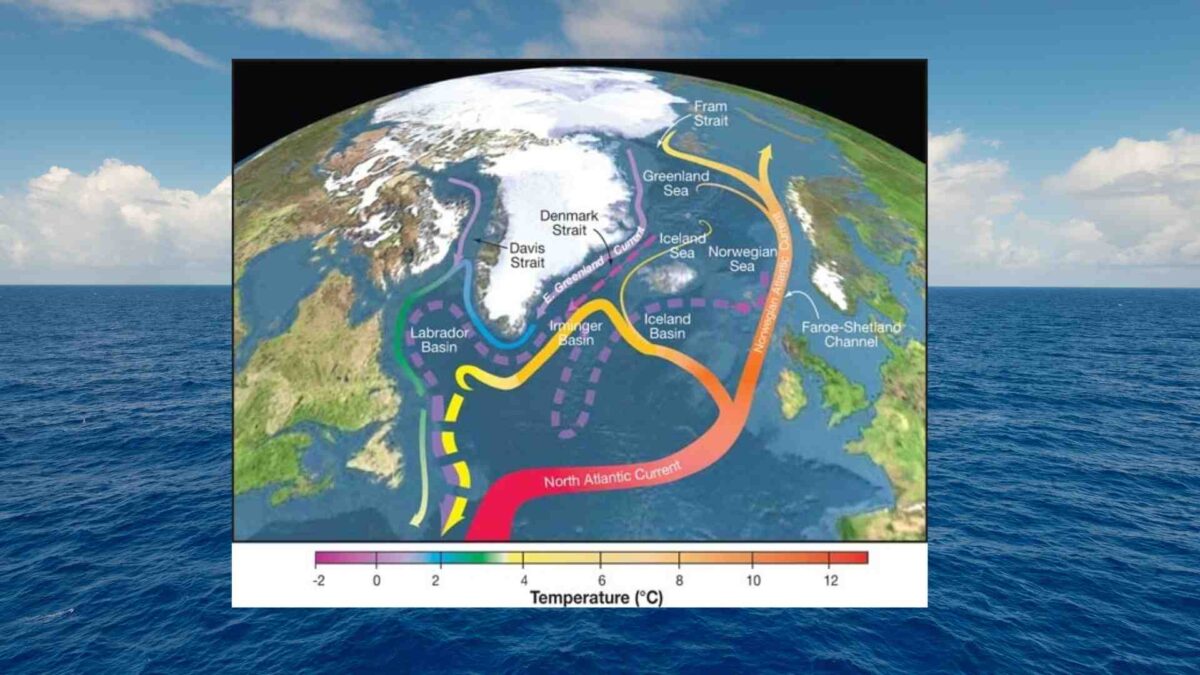
The report comes ahead of the COP30 climate summit in Brazil and calls for urgent global action to minimise temperature overshoot beyond the 1.5°C threshold set by the Paris Agreement. It urges policymakers to accelerate emissions reductions and scale up carbon removal technologies to avoid crossing further tipping points.
However, an alternative study published earlier this year by the California Institute of Technology (Caltech) offers a more measured outlook on the AMOC’s future. Using a simplified but robust model grounded in two decades of ocean measurements, the Caltech team found that the AMOC will likely weaken by 18% to 43% by 2100. While this represents a notable decline, it is far less severe than many earlier projections.
“This is still a weakening, and it still matters, especially for regions like Ireland that are directly affected by Atlantic circulation,” said lead author Dave Bonan. “But the results suggest we may avoid the most catastrophic scenarios.”