



Clocks go back this weekend in Ireland
“Spring forward and fall back” is a well-known saying for Daylight Saving Time, but why do we follow this biannual ritual?
This Sunday, clocks in Ireland will go back one hour at 2:00 a.m., marking the end of daylight saving time and the return to standard time.
In Dublin, sunrise and sunset times will change as follows:
- Saturday, 25 October: Sunrise at 8:10 a.m., sunset at 6:06 p.m.
- Sunday, 26 October: After the clocks go back, sunrise at 7:12 a.m., sunset at 5:04 p.m.
The adjustment means an extra hour of sleep on Sunday morning but earlier darkness in the evening.
Why the clocks go back
Ireland observes daylight saving time by moving clocks forward one hour on the last Sunday in March and back one hour on the last Sunday in October. Summer Time, or Daylight Saving Time, began as a way to make better use of daylight during the warmer months, with roots tracing back to the 18th century.
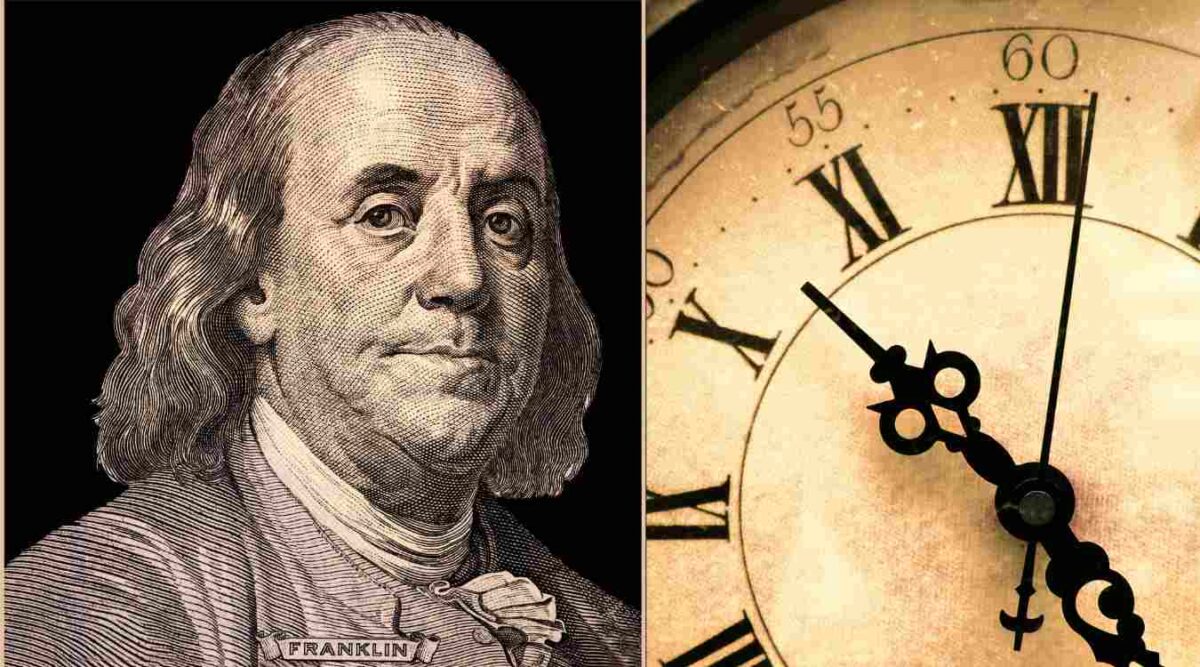
In 1784, Benjamin Franklin proposed the idea in a satirical essay, suggesting changes to sleep schedules to save money on candles and lamp oil.
A century later, in 1907, British construction tycoon William Willett proposed moving clocks forward in 20-minute increments each week. A similar idea was also mooted by New Zealander George Vernon Hudson.
On 30 April 1916, Germany and Austria-Hungary became the first countries to adopt Daylight Saving Time to save fuel and reduce artificial lighting during the war. Three weeks later, on 21 May 1916, Great Britain and Ireland introduced Summer Time to maximise evening daylight, reducing the need for artificial lighting and saving fuel.
Many countries reverted to standard time after World War 1 ended in 1918. While most abandoned the practice, Ireland, Canada, the United Kingdom, France and the United States have continued seasonal clock changes to the present day.
In 2018, the European Parliament voted to re-evaluate Summer Time in Europe. The Irish Government announced in late 2019 that ending seasonal clock changes was not straightforward. Former Minister for Justice Charlie Flanagan cited a public opinion poll which showed that 82 per cent of people opposed having different time zones between Ireland and Northern Ireland.
Share this WeathÉire story: