



Plastic Could Linger on Ocean Surface for Over 100 Years, Study Finds
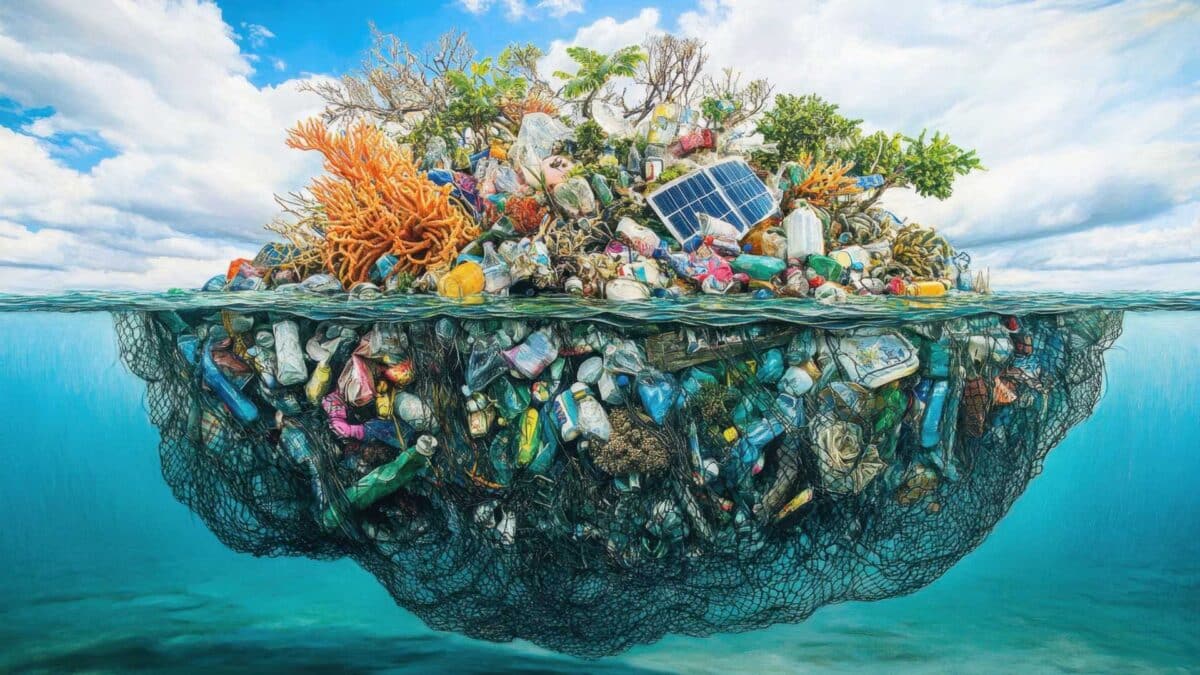
Scientists at Queen Mary University of London have developed a model showing that buoyant plastic can persist on the ocean surface for more than a century even if all new plastic pollution stops immediately.
Published today in Philosophical Transactions of the Royal Society A, the study is the final paper in a trilogy examining the long-term fate of microplastics. It builds on earlier research in Nature Water and Limnology & Oceanography.
The model simulates how large plastics slowly degrade at the surface and eventually attach to “marine snow”, sticky organic material that carries debris to the deep sea. Lead author Dr Nan Wu explains that even after 100 years about 10 percent of the original plastic remains at the surface.
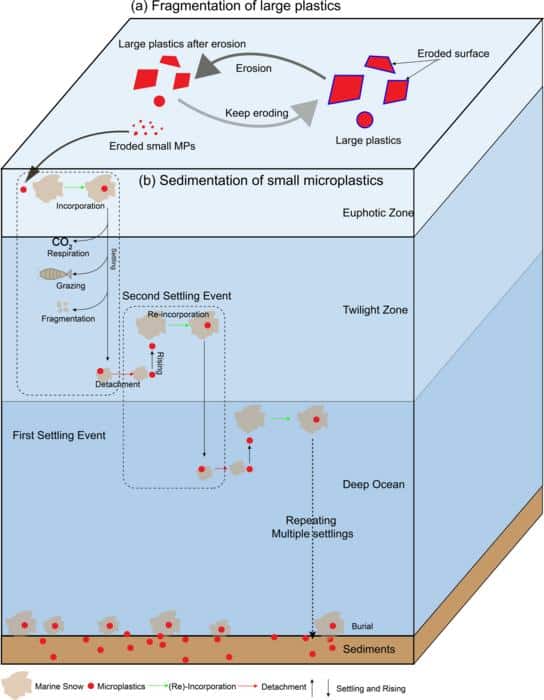
The research helps explain the “missing plastic” problem, where far less buoyant plastic is observed on the ocean surface than expected. Prof Kate Spencer notes that microplastic pollution is an intergenerational problem and Prof Andrew Manning adds that tackling it requires long-term strategies beyond surface clean-up.
The study also warns that rising microplastic concentrations could overwhelm the ocean’s biological pump, potentially affecting key biogeochemical cycles.
The work was funded by the Lloyd’s Register Foundation and supported by Queen Mary University of London, HR Wallingford Ltd and the EU INTERREG Preventing Plastic Pollution project.
Share this WeathÉire story: