



Patagonian Ice Sheet Experienced Major Retreat 60,000 Years Ago

A significant retreat of the Patagonian ice sheet occurred around 60,000 years ago, according to new research led by Dr Andrés Castillo-Llarena at MARUM and the University of Bremen.
The study, which used advanced computer simulations, challenges previous assumptions that the ice sheet expanded steadily during the last glacial cycle.
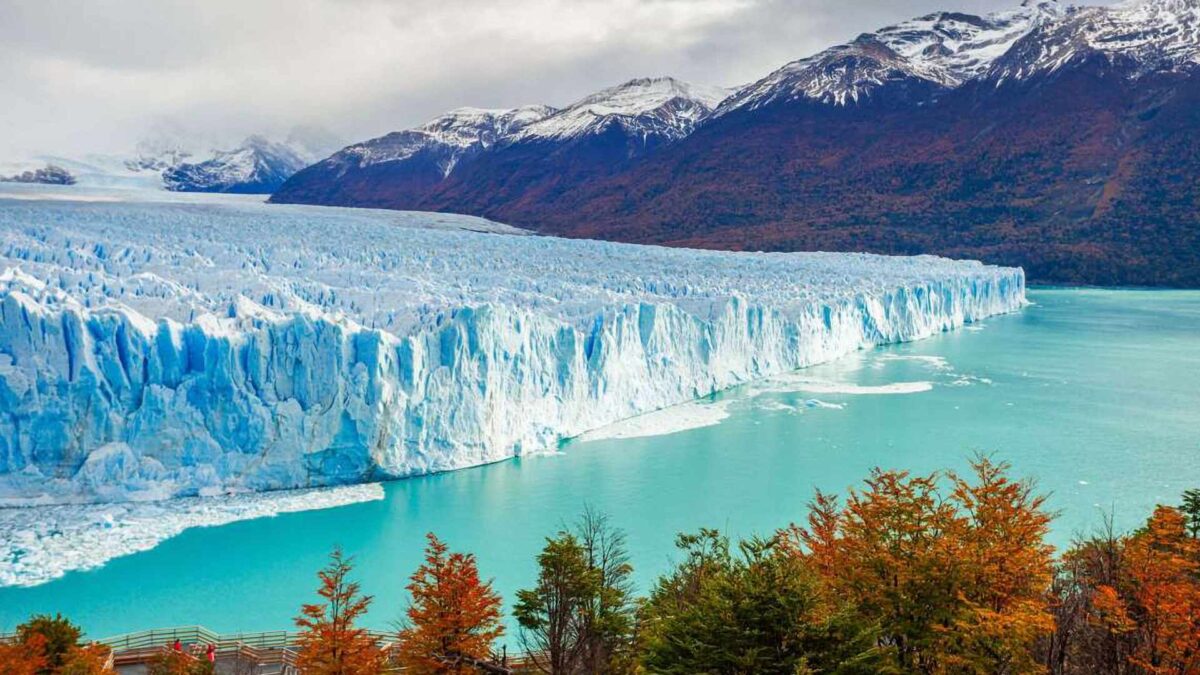
The Patagonian ice sheet once stretched across the Andes in Chile and Argentina, reaching its maximum extent about 35,000 years ago. However, the new findings show that this growth was interrupted by a substantial contraction midway through the cycle. The retreat took place between two major glacial advances, one around 71,000 years ago and another at the end of marine isotope stage 3.
Researchers identified a key factor behind the retreat as a reduction in integrated summer energy, a measure that combines the length and intensity of summer seasons. This energy varies with changes in Earth’s axial tilt over 40,000-year cycles and plays a critical role in glacial dynamics. The study suggests that these long-term variations influenced not only the Patagonian ice sheet but also other ice masses across the southern hemisphere.
The team also found evidence of shorter-term fluctuations linked to abrupt climate changes in the northern hemisphere. These millennial-scale shifts appear to have affected the southern hemisphere’s climate and contributed to changes in the ice sheet’s behaviour.
Dr Matthias Prange, a co-author of the study, said the findings are important for understanding how climate systems in both hemispheres interact. He noted that data on past climate fluctuations from the southern hemisphere remain limited, making studies like this essential for improving future climate models.
The research was conducted as part of the Cluster of Excellence “The Ocean Floor – Earth’s Uncharted Interface” and involved institutions in Germany, Chile and Norway.
Share this WeathÉire story: