

Global Push to Expand Early Warning Systems for Extreme Weather

World leaders and top officials gathered in Geneva, Switzerland, today to accelerate the implementation of multi-hazard early warning systems under the World Meteorological Organization’s Early Warnings for All initiative.
The programme aims to reduce disaster deaths and losses by ensuring timely alerts reach all communities.
Launched by UN Secretary-General António Guterres in 2022, Early Warnings for All seeks to cover the full hazard monitoring and warning chain, from detection and risk assessment to alert dissemination and community response. Investments in early warning systems can save up to fifteen dollars for every dollar spent in reduced disaster losses.
A new WMO report shows half of countries have only basic early warning capacity and 16 percent less-than-basic, with fragile and conflict-affected nations most at risk. Officials called for stronger national ownership, reliable communication, expanded observation networks, responsible use of innovation including AI, and accessible, impact-based forecasts.
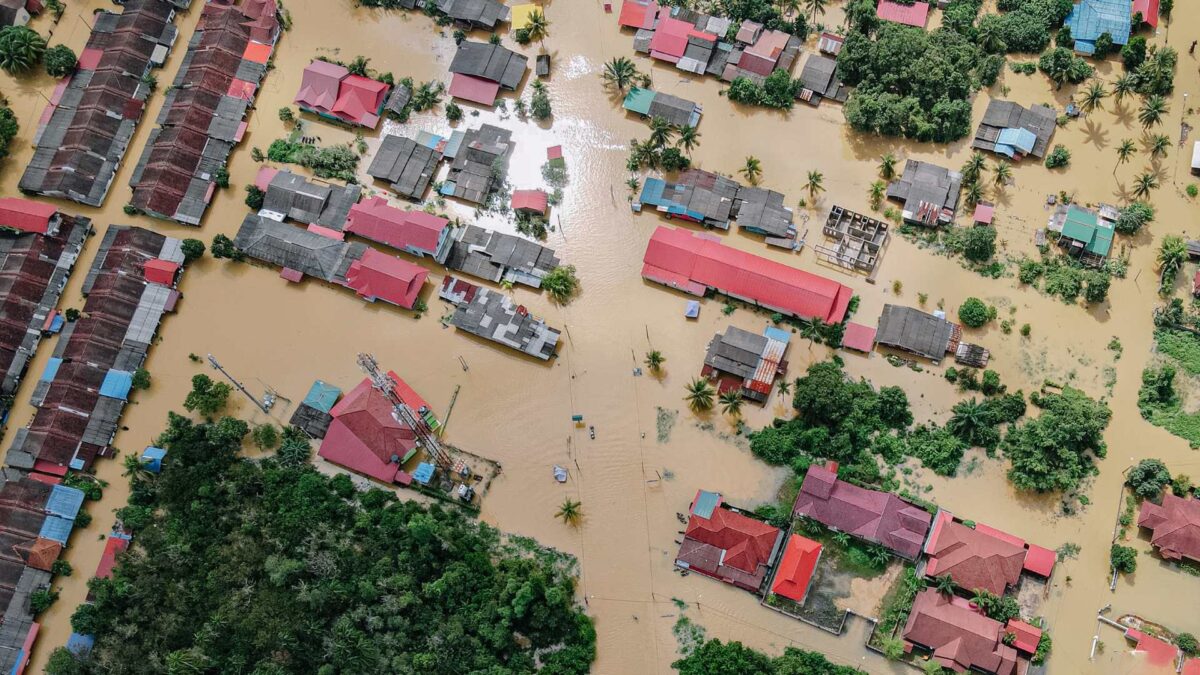
Mozambique President Daniel Francisco Chapo highlighted the impact of early warnings in his country, where improved systems have lowered death tolls and economic losses from tropical cyclones. “A timely alert saves lives. When warnings reach people on time, responses are faster, actions are more effective, and impacts are smaller,” he said.
WMO Secretary-General Celeste Saulo called for urgent global action. “The tools exist, the standards are in place, and the data flows. What remains is the collective will to act at the speed and scale required. Early warnings are a promise of safety and dignity,” she said.
Swiss Federal Councillor Elisabeth Baume-Schneider stressed urgency. “Climate change is making extreme weather more frequent and severe. We must accelerate early warning systems to protect lives worldwide,” she said.
The four-day Extraordinary Congress also marks WMO’s 75th anniversary and celebrates progress while highlighting remaining gaps in global disaster preparedness.
Share this WeathÉire story: