


AI set to transform global weather forecasts, WMO says
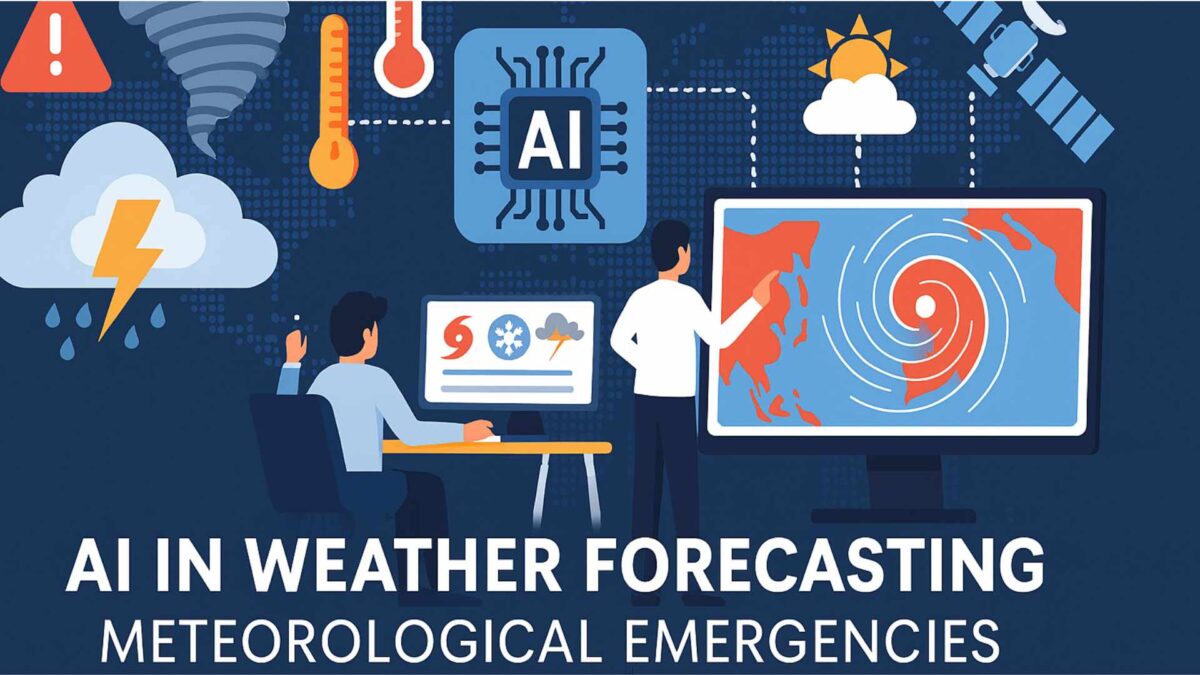
The World Meteorological Organization has called on governments, businesses and universities to work together to develop artificial intelligence and machine learning technologies to protect communities from extreme weather.
The move is part of a plan to embed AI into WMO’s global observation and forecasting systems.
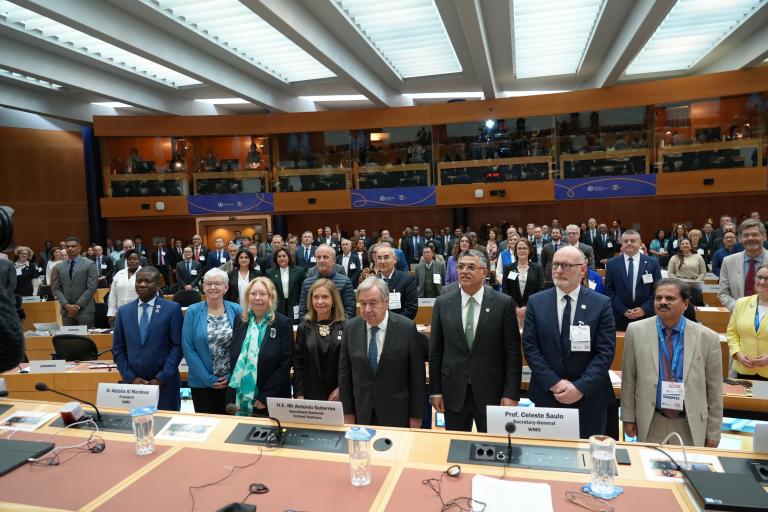
The call was made at an Extraordinary Congress held this week as part of the organisation’s 75th anniversary celebrations. Delegates focused on achieving universal early warning coverage, a programme known as Early Warnings for All, by the end of 2027.
UN Secretary-General António Guterres told the Congress that early warnings are essential for saving lives and protecting livelihoods. He said countries with strong early-warning systems experience at least six times lower disaster-related mortality and that even 24 hours’ notice can reduce damage by up to 30 per cent.
WMO Secretary-General Celeste Saulo said the organisation must build on recent momentum to ensure its work remains relevant and that recognition is converted into investment.
The Congress approved new technical regulations to strengthen the role of National Meteorological and Hydrological Services in issuing reliable warnings. Delegates also called for open data, open-source tools and ethical frameworks for responsible AI use.
Special attention was given to supporting low and middle-income countries, least developed countries and small island developing states in accessing AI technology. WMO’s Integrated Processing and Prediction System will provide training and pilot projects to demonstrate AI’s potential.
A pilot project between Norway and Malawi was presented, showing that AI can improve weather forecasts and deliver reliable predictions in resource-limited settings. The Congress also approved WMO’s first Youth Action Plan to involve young scientists in weather, climate and hydrology work.

The event included progress on the Global Greenhouse Gas Watch and the integration of key components into existing WMO programmes.
Following the Congress, WMO’s Executive Council confirmed a budget of 138.7 million euros for 2026 and 2027 and set up a task force to review strategic plans in light of financial pressures.