

Sahara Could Become Wetter By Second Half Of Century
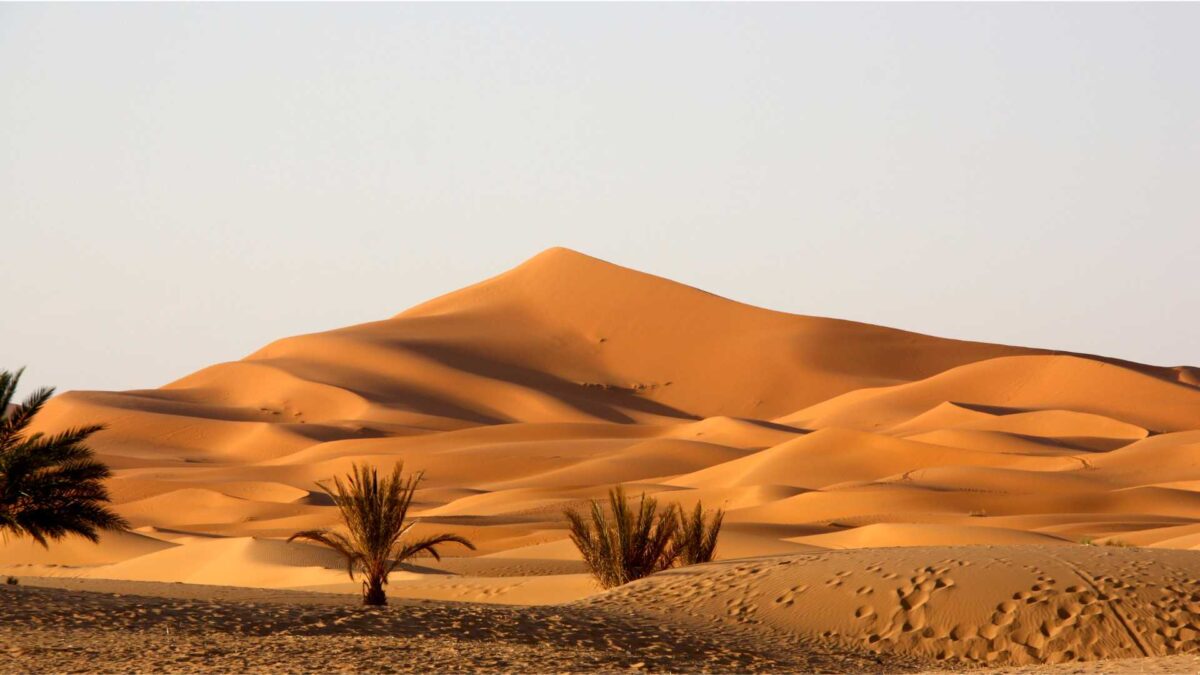
The Sahara Desert, one of the driest places on Earth, could see a sharp rise in rainfall by the second half of this century as global temperatures climb, new research suggests.
Scientists at the University of Illinois Chicago found that precipitation across the North African desert could increase by up to 75 per cent compared with historical levels. The findings, published in NPJ Climate and Atmospheric Science, indicate that large parts of Africa may experience substantial changes in rainfall patterns by the end of the century.
“Changing rainfall patterns will affect billions of people, both in and outside Africa,” said lead author Thierry Ndetatsin Taguela, a postdoctoral climate researcher at UIC. “We have to start planning to face these changes, from flood management to drought-resistant crops.”
Using an ensemble of 40 climate models, Taguela simulated African summer rainfall between 2050 and 2099 under two greenhouse gas emission scenarios: moderate and very high. Both suggested a general increase in rainfall, though with regional differences.
Rainfall in the Sahara is projected to rise by around 75 per cent, followed by a 25 per cent increase in southeastern Africa and 17 per cent in south-central regions. The southwest, however, may become drier, with a predicted 5 per cent drop in precipitation.
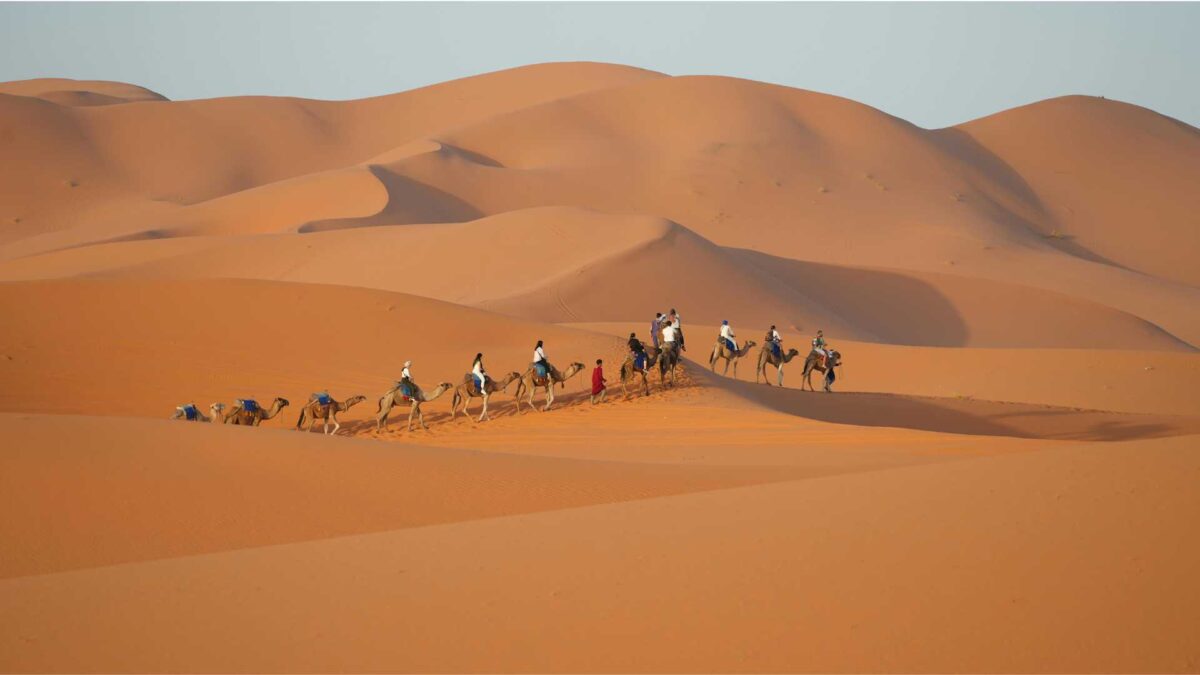
“The Sahara is projected to almost double its historical precipitation levels, which is surprising for such a dry region,” Taguela said. “But while most models agree on a wetter trend, there is still considerable uncertainty about how much rainfall to expect.”
The study links the projected rise in precipitation to warmer air holding more moisture, as well as shifts in atmospheric circulation.
“Understanding the physical mechanisms driving these changes is essential for developing adaptation strategies that can withstand both wetter and drier futures,” Taguela said.
Taguela works with UIC’s Climate Research Lab, led by Akintomide Afolayan Akinsanola.
Share this WeathÉire story: