

Antarctica Glacier Loses Half Its Ice in Two Months
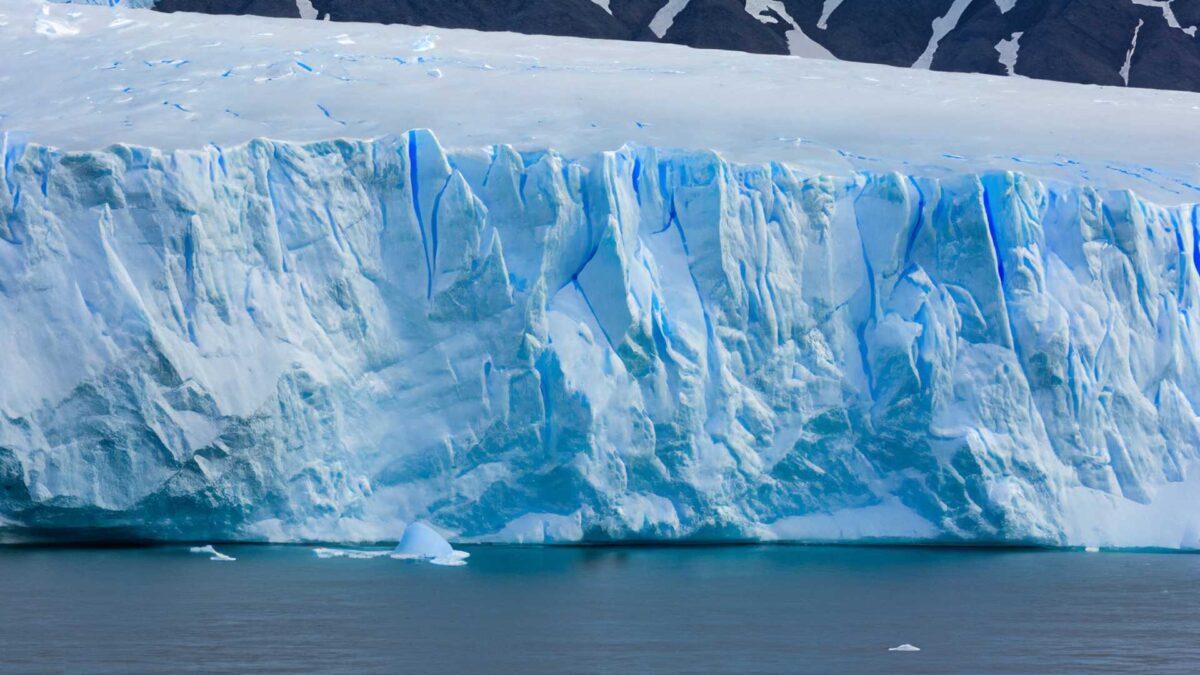
Antarctica’s Hektoria Glacier experienced the fastest retreat recorded in modern history, losing nearly 50 per cent of its ice in just two months in 2023.
A new study led by Colorado University Boulder and published in Nature Geoscience details how and why the glacier shrank by eight kilometres during this period.
The rapid collapse was driven by the glacier’s flat underlying bedrock, which allowed it to go afloat after substantial thinning. This triggered a sudden calving process in which large sections of ice broke away. Although Hektoria Glacier is small by Antarctic standards at about 115 square miles roughly the size of Philadelphia researchers warn that similar conditions on larger glaciers could have major implications for global sea levels.
“When we flew over Hektoria in early 2024 I could not believe the vast area that had collapsed,” said Naomi Ochwat, lead author and CIRES postdoctoral researcher. “Seeing it in person was astonishing.”
Tidewater glaciers, which rest on the seabed and end in the ocean, are common in Antarctica. Hektoria sat atop a flat ice plain a bedrock area below sea level that enabled its rapid retreat. Similar behaviour has been observed 15,000 to 19,000 years ago.
As the glacier went afloat it became exposed to ocean forces opening crevasses from below that eventually met surface crevasses causing the glacier to calve rapidly. Satellite data allowed the team to track the retreat in detail showing that Hektoria lost up to 2.5 kilometres of ice in just two days.
Seismic instruments recorded a series of glacier earthquakes during the retreat confirming that the ice was grounded before floating and linking the collapse directly to global sea level rise.
“Hektoria’s retreat is a shock and shows what is possible on other Antarctic glaciers,” said CIRES Senior Research Scientist Ted Scambos. “If the same conditions occur elsewhere it could greatly speed up sea level rise from the continent.”
The research highlights the need to monitor glaciers with ice plain topographies to anticipate and forecast potential rapid ice loss across Antarctica.
Share this WeathÉire story: