
Eyes to the Skies for the Orionid Meteor Shower
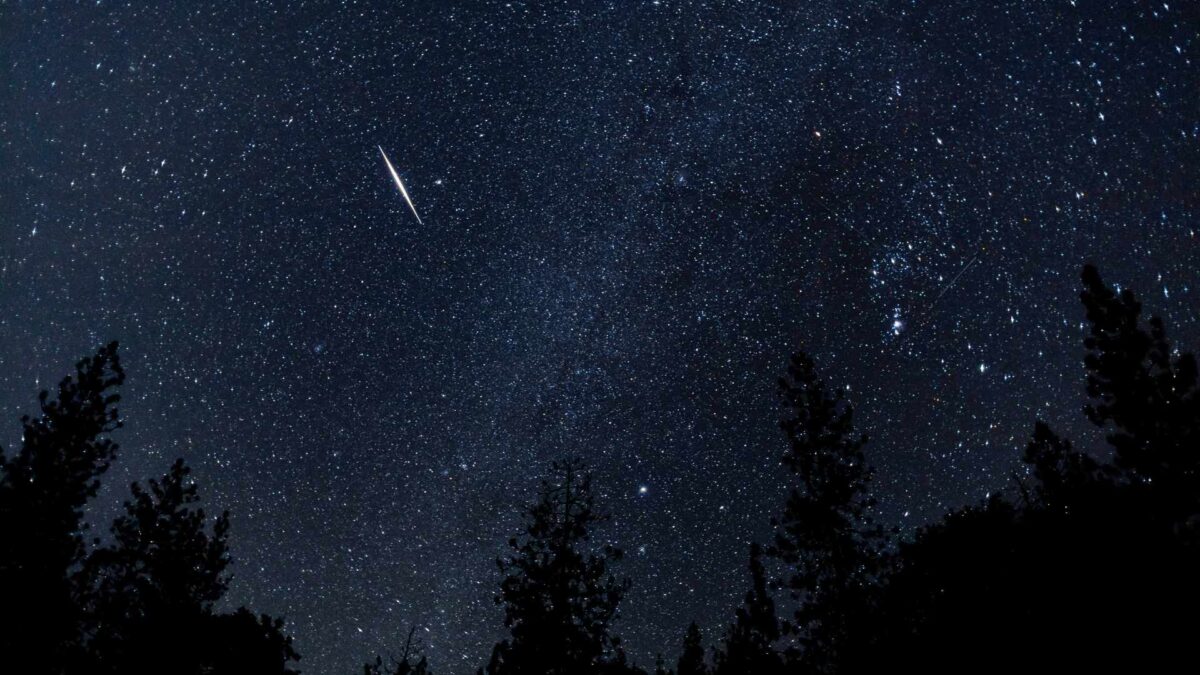
Skywatchers across Ireland are in for a treat later this month as the Orionid meteor shower reaches its peak on the night of October 21 to 22.
The annual celestial display, which originates from debris left by Halley’s Comet, promises dozens of shooting stars streaking across the night sky.
The best viewing conditions are expected in the hours just before dawn, when the shower will appear most active. Observers are advised to find a dark spot away from city lights to fully appreciate the spectacle. While the peak can produce up to 20 meteors per hour under optimal conditions, cloudy skies or light pollution can reduce visibility.
The Orionids are so named because their meteors appear to radiate from the constellation Orion. Although the shower is best seen in the pre-dawn hours, a few meteors may be visible shortly after midnight. Unlike some meteor showers, the Orionids are known for being fast and bright, often leaving glowing trails in the sky.
No special equipment is needed to enjoy the show. Experts recommend allowing your eyes 20 to 30 minutes to adjust to the darkness and lying back comfortably to take in as much of the sky as possible.
Meanwhile, astronomy enthusiasts across Ireland will witness the return of the Draconid meteor shower, which peaks around October 8. Unlike the Orionids, the Draconids are a slower-moving shower and are best seen in the early evening rather than before dawn. While generally less active than the Orionids, the Draconids can occasionally surprise stargazers with brief bursts of activity, making them a fascinating precursor to the main event later this month.
Some of the best Night Sky watching locations in Ireland include:
Mayo Dark Sky Park – Recently named International Dark Sky Place of the Year.
Cloonduff Dark Sky Park, County Wicklow – Ireland’s first designated Dark Sky Park, offering very dark skies and stunning views.
Wicklow Mountains National Park – Large areas with minimal light pollution, great for observing stars and meteor showers.
Cuilcagh Lakelands Geopark, Counties Fermanagh and Cavan – Known for its remote, dark skies and scenic landscapes.
Kerry International Dark Sky Reserve, County Kerry – One of the largest dark sky reserves in Europe, with excellent conditions for astronomy.
Slieve League Cliffs, County Donegal – Remote and rugged coastline with very little light pollution.
Mount Brandon, County Kerry – High altitude and remote location provide clear night skies.
Galway’s Connemara National Park – Away from city lights, it offers good conditions for stargazing.
The Burren, County Clare – A rocky landscape with relatively low light pollution.
Share this WeathÉire story: