
Halley’s Comet Debris to Light Up Sunday and Monday Nights
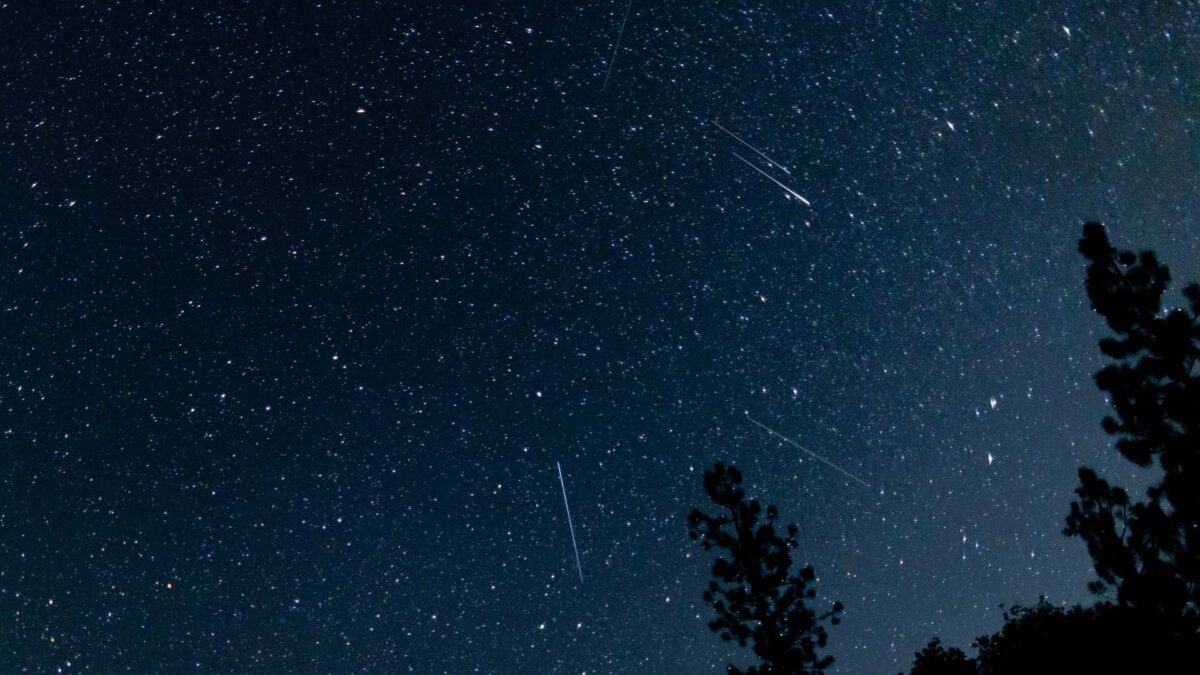
Ireland is set to enjoy a celestial display on Sunday and Monday nights as the Orionid meteor shower reaches its peak.
The annual event, which occurs every October, is expected to be especially visible this year thanks to the timing of the new moon, which will ensure darker skies and optimal viewing conditions. Mixed cloud cover is also expected on both nights in Ireland, with some breaks in the overcast conditions providing viewing opportunities.
The Orionids are fragments of Halley’s Comet, which last passed near Earth in 1986 and will return in 2061. As the comet’s debris enters Earth’s atmosphere, it burns up and produces fast-moving meteors that can be seen streaking across the sky. The shower typically produces up to 20 meteors per hour at its peak, though rates can vary.
The best time to view the shower will be after midnight, when the radiant point in the constellation Orion rises higher in the sky. Observers are encouraged to find a dark location away from city lights and allow their eyes time to adjust to the darkness. No telescopes or binoculars are needed, as the meteors are best seen with the naked eye.
According to NASA, “You should not look only toward the constellation of Orion to view the Orionids – they are visible across the night sky. It is actually better to view the Orionids from 45 to 90 degrees away from the radiant. They will appear longer and more spectacular from this perspective. If you do look directly at the radiant, you will find that the meteors will be short. This is an effect of perspective called foreshortening.”
Some of Ireland’s best Night Sky watching locations:
Mayo Dark Sky Park – Recently named International Dark Sky Place of the Year.
Cloonduff Dark Sky Park, County Wicklow – Ireland’s first designated Dark Sky Park, offering very dark skies and stunning views.
Wicklow Mountains National Park – Large areas with minimal light pollution, great for observing stars and meteor showers.
Cuilcagh Lakelands Geopark, Counties Fermanagh and Cavan – Known for its remote, dark skies and scenic landscapes.
Kerry International Dark Sky Reserve, County Kerry – One of the largest dark sky reserves in Europe, with excellent conditions for astronomy.
Slieve League Cliffs, County Donegal – Remote and rugged coastline with very little light pollution.
Mount Brandon, County Kerry – High altitude and remote location provide clear night skies.
Galway’s Connemara National Park – Away from city lights, it offers good conditions for stargazing.
The Burren, County Clare – A rocky landscape with relatively low light pollution.
Share this WeathÉire story: