



Webb telescope detects building blocks of life in another galaxy
Astronomers using the James Webb Space Telescope (JWST) have detected complex organic molecules frozen in ice around a young star in a galaxy outside the Milky Way, marking a major step in understanding how the chemical ingredients for life are distributed across the universe.
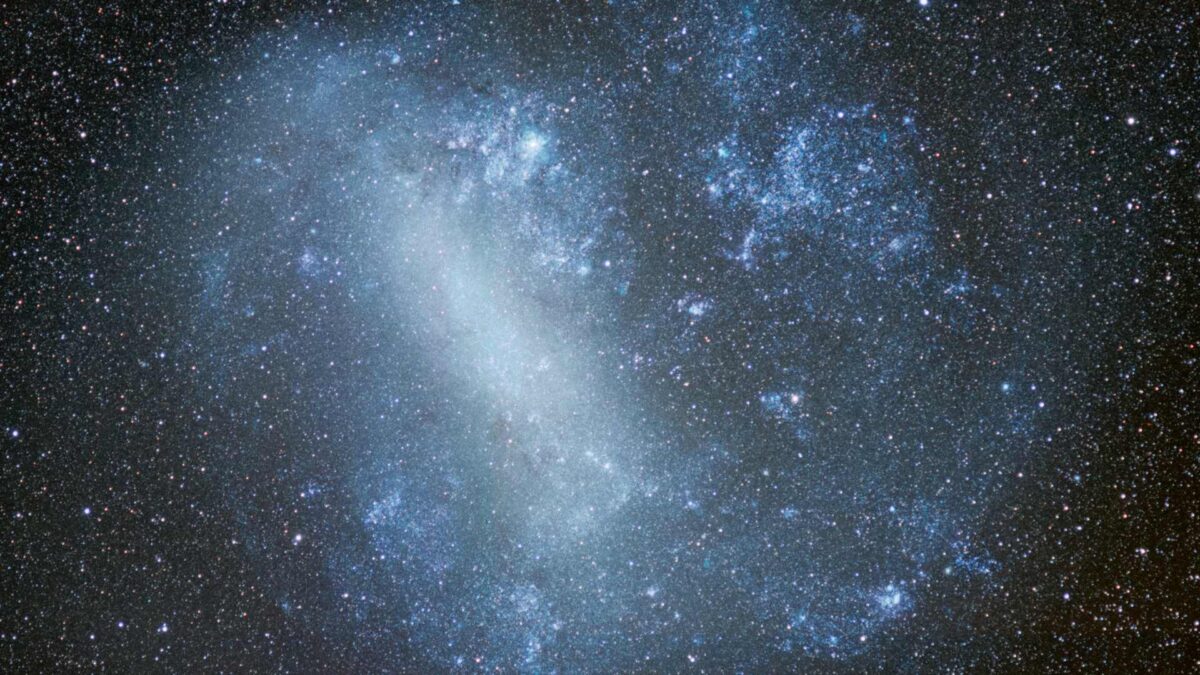
The discovery, led by Dr Marta Sewilo of the University of Maryland and NASA, was made in the Large Magellanic Cloud, a small companion galaxy about 160,000 light years from Earth. The team’s findings were published on October 20 in The Astrophysical Journal Letters.
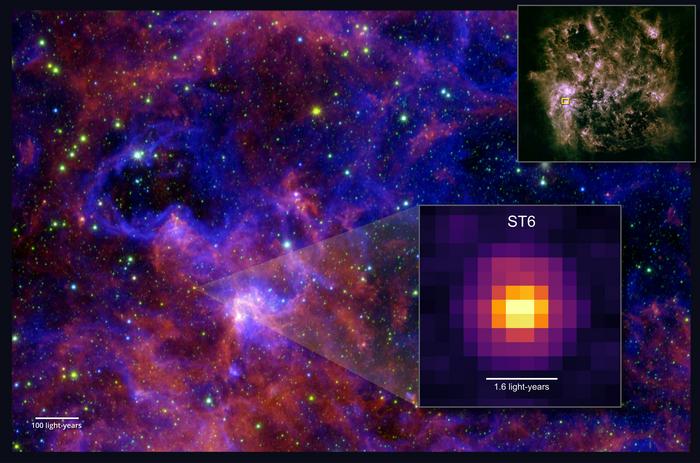
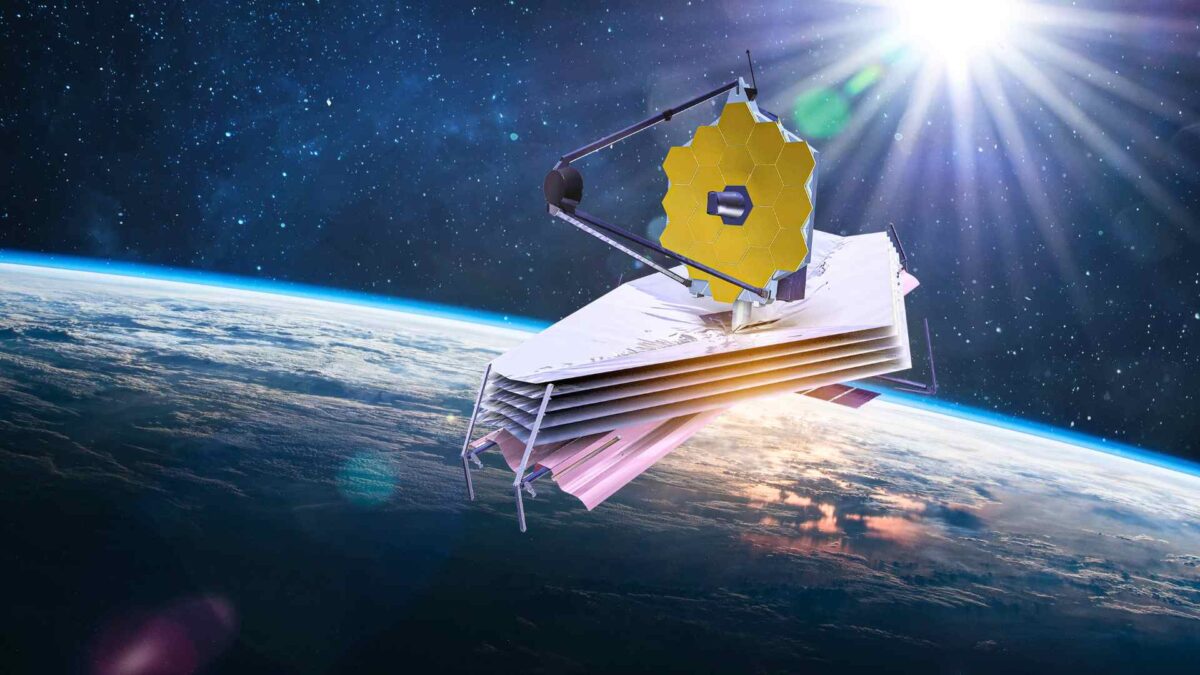
Using JWST’s Mid-Infrared Instrument (MIRI), the researchers identified five carbon-based compounds in the icy material surrounding a forming star known as ST6. The molecules include methanol and ethanol, two types of alcohol; methyl formate and acetaldehyde, which are used as industrial chemicals on Earth; and acetic acid, the main ingredient in vinegar.
It is the first time ethanol, methyl formate and acetaldehyde have been detected in ice beyond the Milky Way, and the first confirmed detection of acetic acid in space ice anywhere. The team also found hints of glycolaldehyde, a simple sugar-related compound, though further analysis is needed to confirm it.
“Before Webb, methanol was the only complex organic molecule conclusively detected in ice around protostars, even in our own galaxy,” said Dr Sewilo. “With JWST’s sensitivity and resolution, we can now identify faint chemical fingerprints in much more distant and challenging environments.”
The Large Magellanic Cloud provides a unique testing ground for studying star and planet formation under conditions that resemble those in the early universe. It has only about one third to one half of the heavier elements found in our solar system and is exposed to stronger ultraviolet radiation.
“The low-metallicity environment is similar to that of galaxies at earlier stages of cosmic history,” Dr Sewilo said. “By studying it, we can learn how complex organic chemistry develops when fewer heavy elements are available.”
Complex organic molecules, or COMs, can form on the icy surfaces of dust grains in space. When these ices are heated by young stars, the molecules can evaporate and enter the gas around them. Methanol and methyl formate had previously been detected in gas in the Large Magellanic Cloud, but not in ice until now.
Dr Will Rocha of Leiden University, a co-author of the study, said the new findings show that complex molecules can form efficiently even in harsh, low-metal environments. “This suggests that the building blocks of life were being produced much earlier in the universe and in more diverse conditions than we once thought,” he said.
Although the discovery does not indicate life beyond Earth, it strengthens evidence that prebiotic chemistry is widespread throughout the cosmos. Molecules like those detected around ST6 could eventually be incorporated into forming planets, providing the raw materials for life to emerge.
The team now plans to expand its survey to more protostars in both the Large and Small Magellanic Clouds to see how chemical complexity varies between galaxies.
“This is only one source in the Large Magellanic Cloud and we have just a few in the Milky Way,” said Dr Sewilo. “We need more data, but this is a big step forward in understanding how complex chemistry begins and how life’s ingredients spread through the universe.”
Share this WeathÉire story: