



November’s solar storm “jolted” Earth’s upper atmosphere
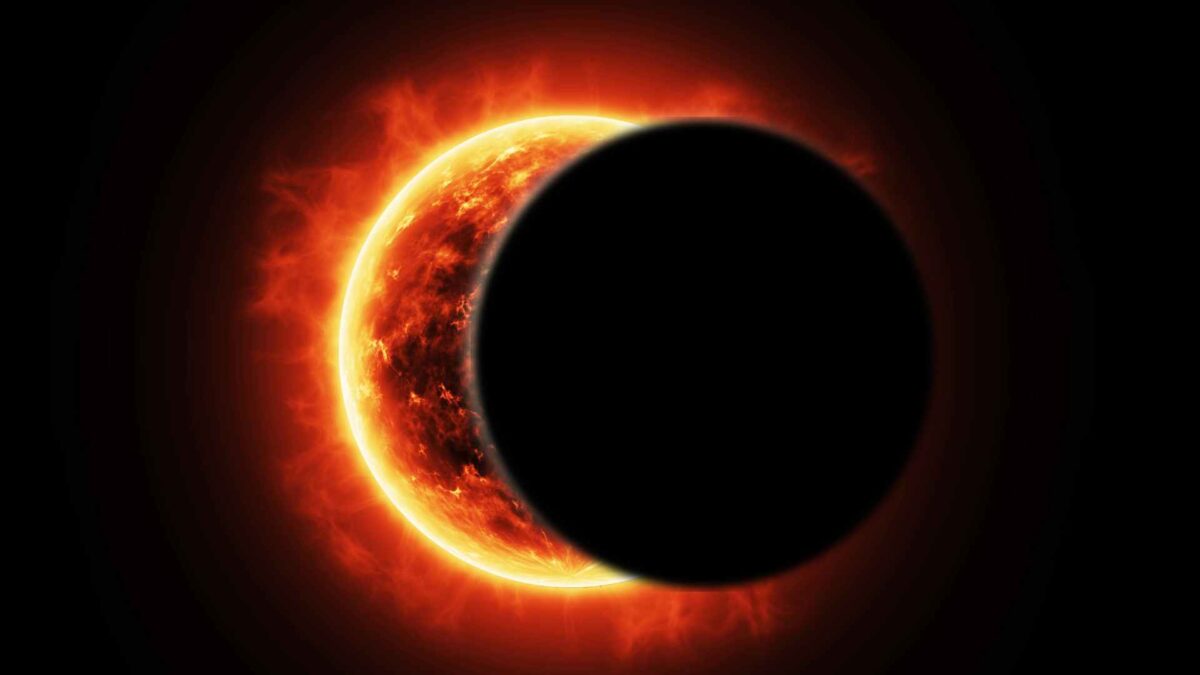
A series of powerful X‑class solar flares earlier this month lit skies with aurora from Ireland to Florida and jolted Earth’s upper atmosphere, according to researchers at the New Jersey Institute of Technology’s Center for Solar‑Terrestrial Research.
Between November 9 and 14, four major flares erupted from a single active region on the Sun, including an X5.1 event which was the strongest flare of 2025 so far. The sequence triggered strong radio blackouts across Africa and Europe and fuelled a G4 geomagnetic storm, one of the most severe on NOAA’s five point scale.
Aurora were reported at unusually low latitudes, with sightings as far south as Florida. “My aurora chat group was exploding with images from places that almost never see northern lights,” said Lindsay Goodwin, assistant professor of physics at NJIT.
Bin Chen, professor of physics and director of NJIT’s Expanded Owens Valley Solar Array, described the run of flares as “a very productive stretch” with ripple effects felt on Earth.
NJIT’s radio telescopes at Owens Valley, pictured below, recorded disturbances in real time, showing dramatic changes across a wide range of frequencies. Data from the Long Wavelength Array revealed chaotic bursts at low frequencies, a clear sign of ionospheric disruption.

The storm compressed Earth’s magnetic field sharply, with the Dst index plunging from –40 nT to nearly –250 nT in a matter of hours. Scientists say such shocks can disrupt power grids, interfere with communications and threaten satellites.
The episode also highlighted the growing capability of NJIT’s observatories, which now operate together as the Owens Valley Solar Arrays. Supported by a $4.2 million National Science Foundation award, the facility is opening new windows into the Sun’s middle corona and its impact on Earth.
With the Sun near the peak of its 11 year cycle, researchers warn that similar storms are possible in the near term.