


Climate change made Storm Claudia rainfall 12% heavier, says Maynooth University

A rapid attribution study has found that the heavy rainfall recorded in Dublin, Wexford and Wicklow during Storm Claudia earlier this month was made more intense and more likely by climate change.
Researchers from Maynooth University’s ICARUS Climate Research Centre, supported by Met Éireann scientists, examined the two-day rainfall totals of November 14th and 15th, as well as the 30-day antecedent rainfall across nine counties in the south-east.
The study found that the magnitude of the two-day rainfall event has increased by nearly 12 per cent compared with a pre-industrial climate. Similar events are now twice as likely to occur as they would have been before global warming. With 3 degrees of warming, such events could be expected every one to two years.

D: Daily rainfall totals for synoptic stations located within heavily affected counties from 1st – 17th November. Blue bars represent rainfall prior to the two-day extreme, red bars represent the two-day extreme (14th-15th) and grey bars represent rainfall after the event. The black line represents the two-day rolling average.
The 30-day rainfall totals, which left soils saturated and rivers elevated, have increased by about 7 per cent compared with pre-industrial levels. These longer wet spells are also twice as likely to occur today, and under 3 degrees of warming could be expected every two years.
Hydrometric data showed that Storm Claudia caused significant but not exceptional flooding, with several rivers in Wexford and Wicklow recording their highest or second-highest peaks on short records. Longer-term data suggests the event had a return period of 20 to 30 years, making it moderately rare rather than extreme.
Claire Bergin, researcher with the WASITUS project at Maynooth University, said flood defences were “seriously tested” during the event. “With further global warming we can expect the magnitude of rainfall to increase, with more rain falling during events like this. This is especially concerning when 30-day rainfall levels are also rising. It increases the likelihood that soils will be saturated and rivers full when heavy rain arrives,” she said.
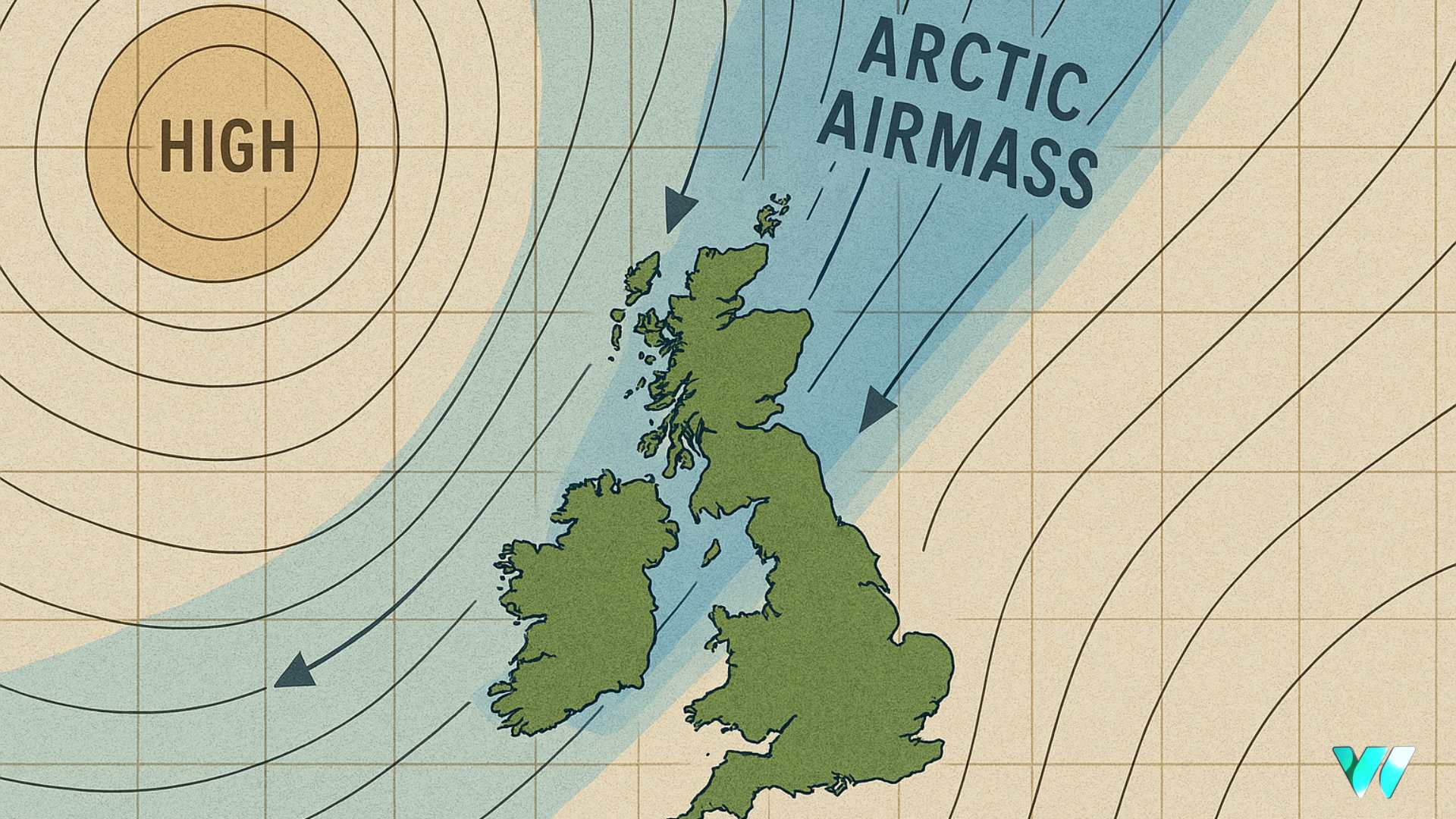
Paul Moore, climatologist at Met Éireann, said the sequence of wet months since September had left the ground saturated. “Storm Claudia stalled to our southwest sending numerous active weather fronts our way, with the added ingredient of cold Arctic air undercutting the warm tropical maritime airmass, leading to very heavy rainfall on November 14th and 15th,” he said. “The science now confirms that when these rainfall events occur, they will bring more rain than in the past because a warmer atmosphere can hold more moisture.”
The study was carried out under the WASITUS project, which aims to build an operational event attribution capability for Ireland in collaboration with the World Weather Attribution team.
Share this WeathÉire story: