


Cosmic Dust Unlocks Arctic Ice Secrets

A 300,000-year record of Arctic sea ice has shown that ice levels have fluctuated in response to changes in the atmosphere rather than ocean temperatures.
The findings, published by Frank Pavia and colleagues at the University of Washington, provide rare long-term data on sea ice behaviour and suggest that future melting could significantly alter marine ecosystems in the region.
The research team developed a geochemical technique using two isotopes found in Arctic Ocean sediments. Helium-3, which arrives from space via cosmic dust, and thorium-230, produced in the ocean, accumulate on the sea floor at predictable rates. During periods of sea ice cover, the deposition of helium-3 is blocked, allowing scientists to track historical ice coverage by examining the ratio of these isotopes.
The data show that during the last ice age, the central Arctic Ocean remained ice-covered year-round. Around 15,000 years ago, as the climate warmed, the ice began to retreat, leading to seasonal coverage during the early Holocene. When global temperatures cooled again, sea ice expanded. These shifts were driven primarily by atmospheric changes, not oceanic inflows of warm water.
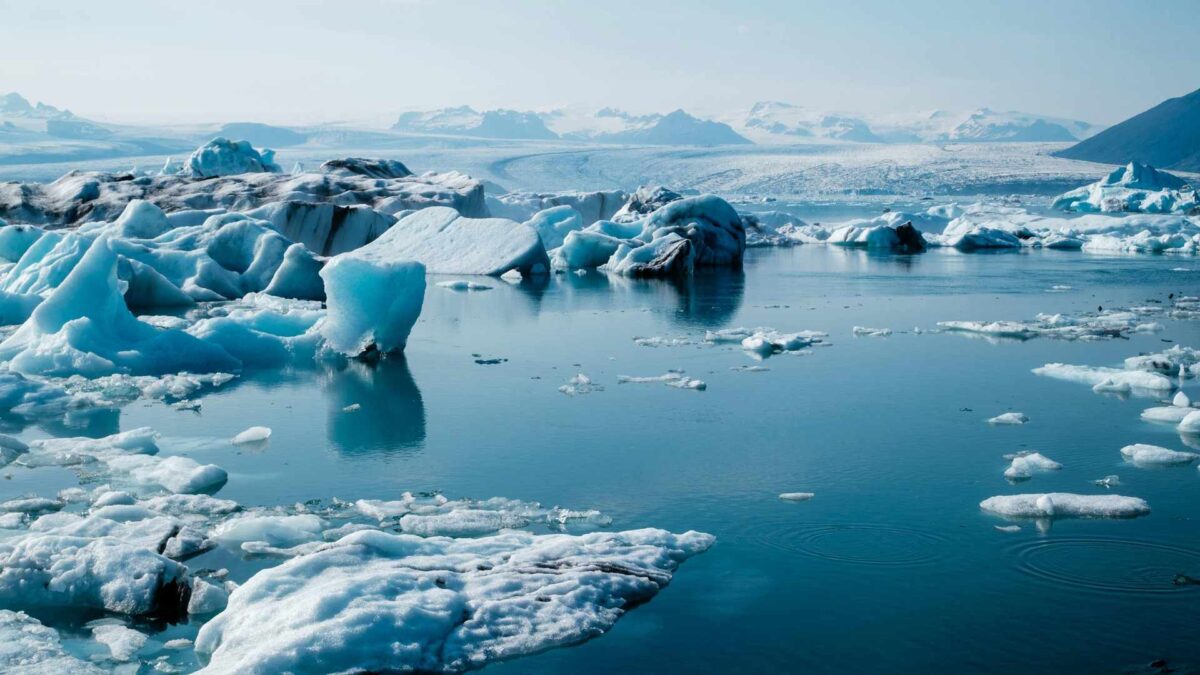
The Arctic is currently warming faster than any other region on Earth. Sea ice is declining rapidly, affecting marine life, coastal communities and global climate systems. However, predicting when the Arctic Ocean will become ice-free remains difficult due to limited historical records and uncertainty about the processes behind ice loss.
Pavia’s team also found that sea ice variation was closely linked to biological nutrient use. As ice retreats, surface productivity increases. This suggests that future reductions in sea ice could enhance nutrient consumption and reshape long-term marine productivity in the Arctic.
Share this WeathÉire story: