

Greenland shifting northwest as ice melt reshapes island
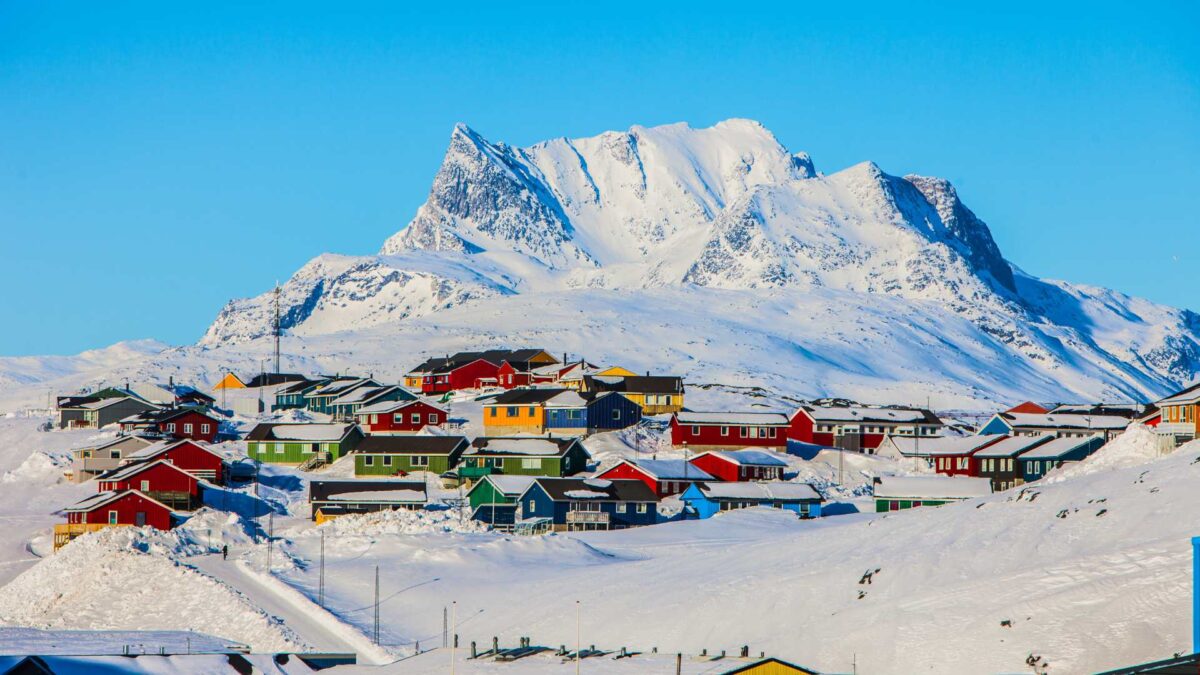
Greenland is moving northwest by about two centimetres per year and experiencing significant horizontal stretching and compression, according to new research from DTU Space.
The study, published in the Journal of Geophysical Research, shows that Greenland’s bedrock is still adjusting to the enormous ice sheets that melted at the end of the last Ice Age around 20,000 years ago. At the same time, recent accelerated ice loss is reducing pressure on the subsurface, causing the island to twist, stretch, and compress.
”Overall, Greenland is becoming slightly smaller, but that could change as melting continues,” said Danjal Longfors Berg, postdoctoral researcher at DTU Space and lead author of the study. He explained that recent ice melt has pushed parts of the island outward and caused uplift, while prehistoric ice mass changes are driving contraction in other areas.
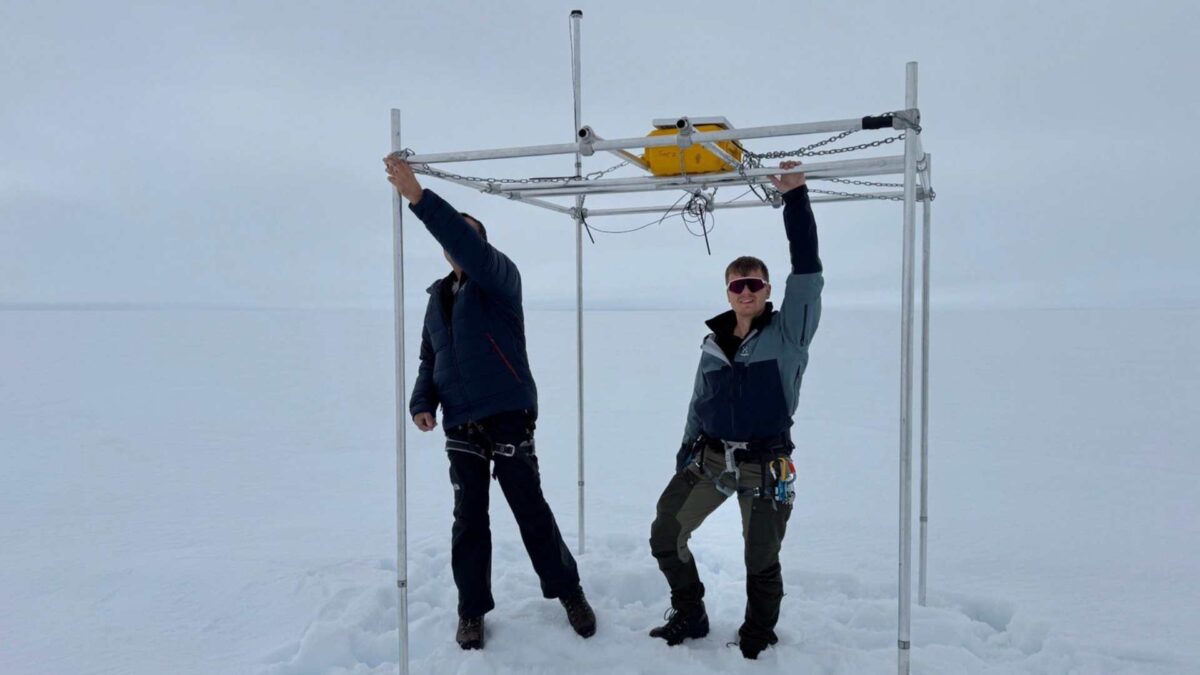
The research combined 20 years of precise measurements from 58 GNSS stations across Greenland with long-term models covering the past 26,000 years. The data show for the first time in detail how the island is simultaneously expanding in some regions and shrinking in others.
Understanding these movements is important not only for geoscience but also for surveying and navigation, as reference points across Greenland are slowly shifting.
The GNSS stations used for the study are operated by DTU Space in collaboration with Greenland’s Climate Data Authority under the Ministry of Climate, Energy and Utilities. The research was carried out within DTU Space’s Center for Ice-Sheet and Sea-Level Predictions.
Share this WeathÉire story: