


Melting Arctic Ice Could Boost Life Beneath the Waves
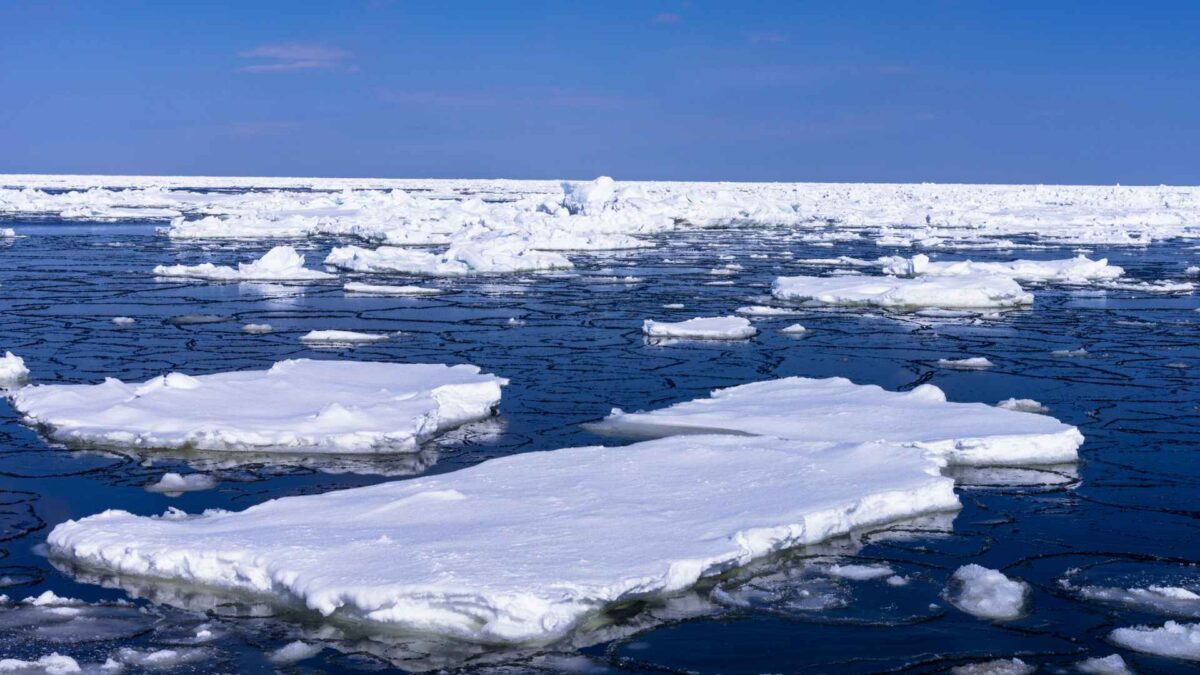
The melting of sea ice in the Arctic Ocean could increase the amount of nitrogen available to support marine life, according to new research led by the University of Copenhagen.
Scientists have discovered that nitrogen fixation, a process in which bacteria convert nitrogen gas into a form usable by algae, occurs beneath sea ice even in the central Arctic Ocean. Until now, it was believed that conditions under the ice were too harsh for this process to take place.
The study found that, unlike in most oceans where cyanobacteria carry out nitrogen fixation, the process in the Arctic is driven by non-cyanobacteria. The highest activity was measured at the ice edge, where melting is most intense. As sea ice continues to retreat, the area of nitrogen fixation is expected to expand, increasing the supply of nitrogen to algae.

Because algae form the base of the Arctic food web, more nitrogen could lead to greater algae growth and higher productivity throughout the ecosystem.
The researchers said the process could also enhance the ocean’s ability to absorb carbon dioxide, although the overall impact on the climate is uncertain. They concluded that nitrogen fixation should be included in future models of the Arctic Ocean.
Share this WeathÉire story: