




Study reveals rapid warming deep inside Antarctica
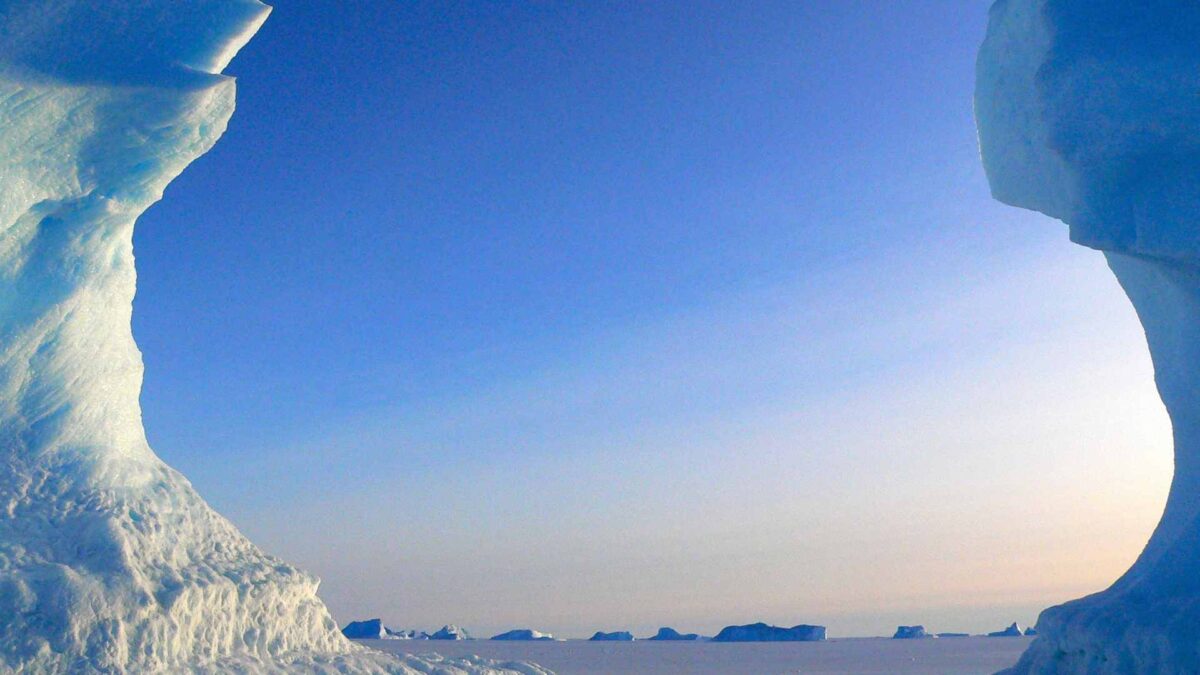
The interior of East Antarctica is warming more rapidly than its coastal regions, with scientists warning that current climate models may be underestimating the pace of future ice loss.
A 30-year study led by Professor Naoyuki Kurita of Nagoya University, and published in Nature Communications, traced the warming to changes in the Southern Indian Ocean that are altering atmospheric circulation and pushing warm air into the continent’s interior.
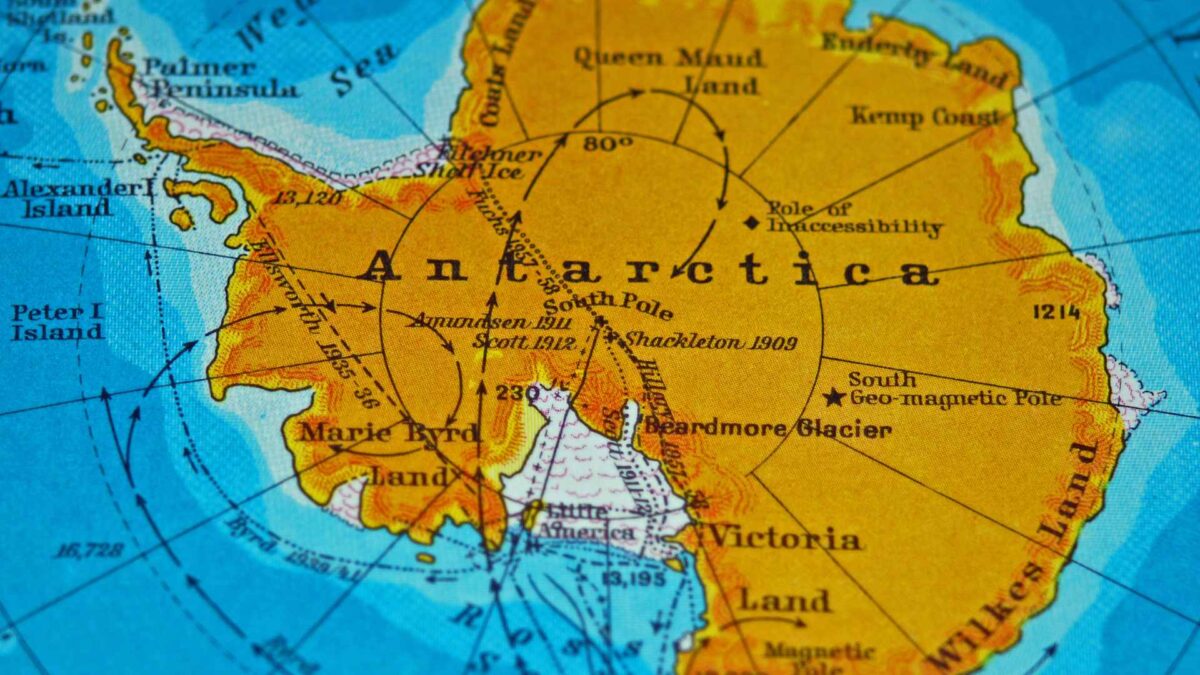
Long considered a “blind spot” for observation, East Antarctica contains most of the world’s glacial ice and around 70 per cent of Earth’s freshwater. Until now, research has relied largely on data from manned coastal stations, with only limited long-term records available from the interior.
The team analysed temperature data from three unmanned stations — Dome Fuji, Relay and Mizuho — covering 1993 to 2022. They found annual average temperatures rose by 0.45 to 0.72 degrees per decade, significantly faster than the global average.
The findings suggest that intensified warm air flows linked to oceanic changes could soon bring detectable warming and surface melting to coastal regions such as Syowa Station. “Interior regions show rapid warming, while coastal stations have not yet experienced statistically significant warming trends,” Prof Kurita said. “However, the intensified warm air flow over 30 years suggests that detectable warming and surface melting could reach coastal areas soon.”
The study highlights the role of shifting ocean fronts in the Southern Indian Ocean, where the collision of warm and cold waters intensifies storm activity and drives atmospheric patterns that funnel heat southward.
Researchers say the mechanism is not fully captured by current climate models, raising concerns that projections of Antarctic warming and global sea level rise may be too conservative.
Share this WeathÉire story: