



Ireland’s Ancient Oak Woodland Set for Major Expansion
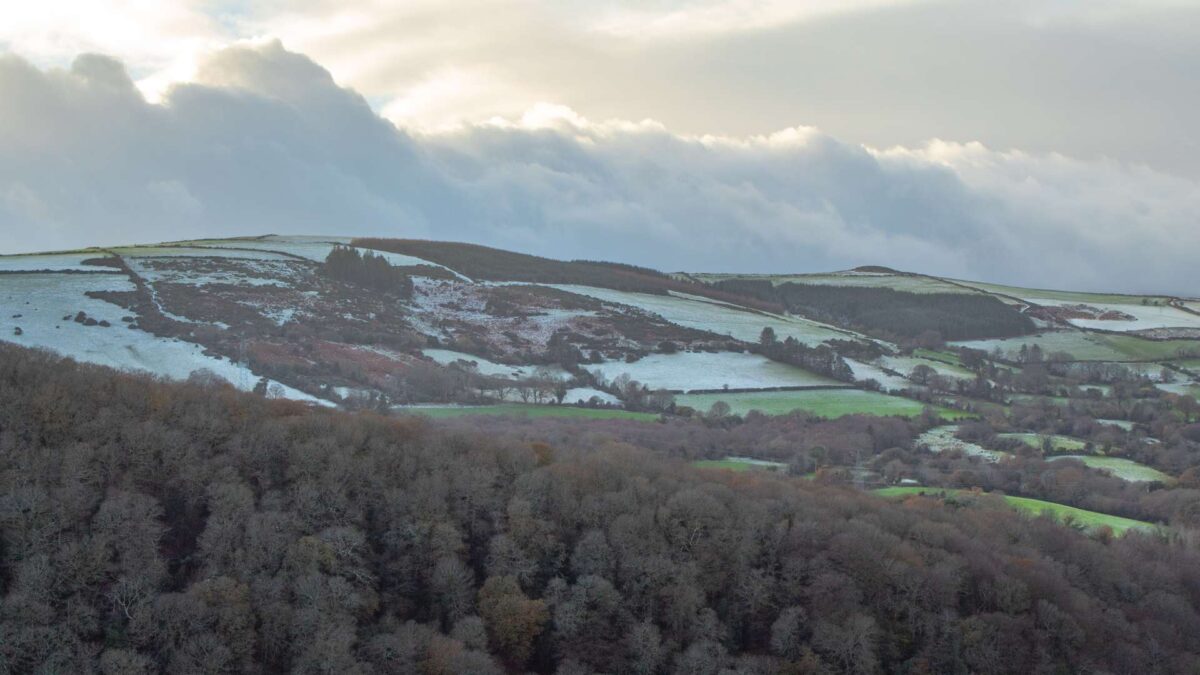
The Glen of the Downs Nature Reserve in County Wicklow has been expanded following the acquisition of over 100 acres of adjoining land by the National Parks and Wildlife Service.
The newly acquired land will be gradually converted from commercial conifer forestry into native woodland using local seed sources, invasive species management, and sustainable forestry techniques. The project aims to expand rare old sessile oak woodland, a priority habitat under the EU Habitats Directive, on public land. A long-term woodland management plan for the site is nearing completion and will include the new lands.
Speaking at the launch, Tánaiste Simon Harris described the expansion as “fantastic news for nature and for the people of Wicklow. Expanding the Glen of the Downs Nature Reserve will support the restoration of native woodlands and increase the extent of recreational trails managed by the National Parks and Wildlife Service.”
Minister of State Christopher O’Sullivan added that the new lands “present an opportunity to set the national standard for converting commercial forests into high priority native woodland. It will be a slow process but it is a long-term project and we look forward to seeing how it develops over the coming decades.”
The Glen of the Downs was established in 1980 and is one of Ireland’s first nature reserves. The latest acquisition will expand the site by 68 per cent, from 146 acres to 246 acres. The reserve is a Special Area of Conservation for old sessile oak woodland and supports rare species including the liverwort Turner’s Threadwort.
Visitors can access the reserve and the new lands from the car park on the N11 and via the existing trail network. The project forms a key part of Ireland’s Nature Restoration Plan, which is currently being prepared by the NPWS.
Share this WeathÉire story: