



Warnings over late-season pesticide use
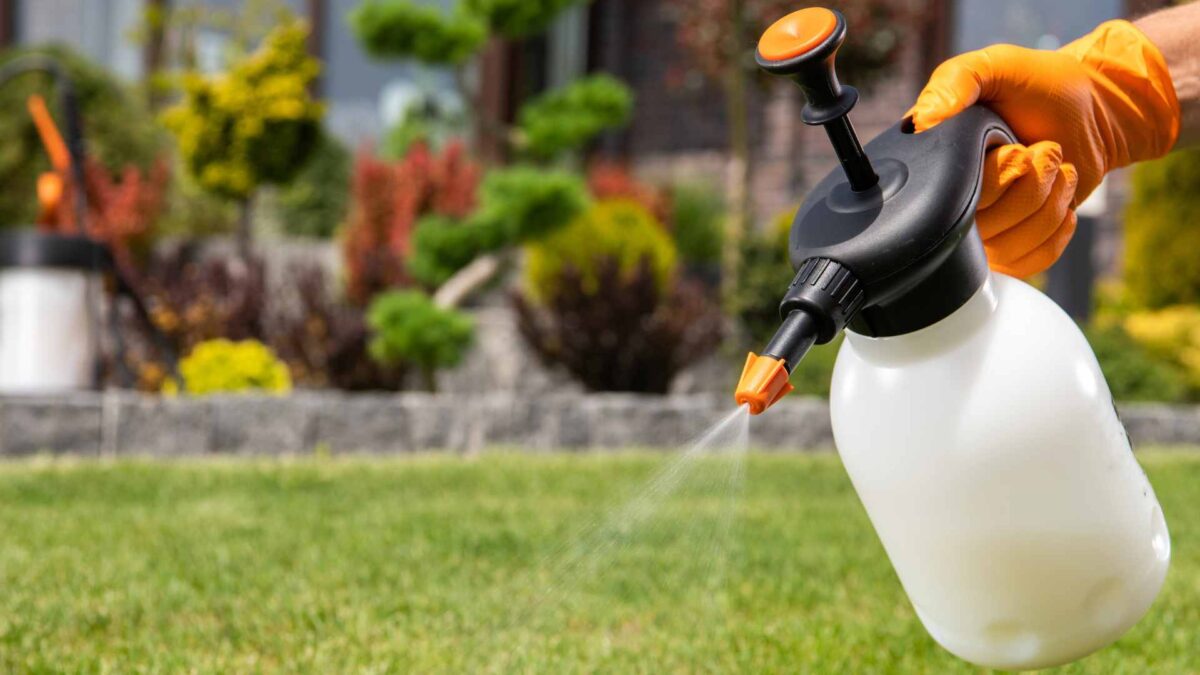
Farmers and landowners are being urged to avoid unnecessary spraying this autumn amid warnings that pesticide detections in drinking water remain a concern despite a sharp reduction in recent years.
Uisce Éireann and the National Pesticides and Drinking Water Action Group (NPDWAG) said the number of exceedances recorded in public water supplies has fallen by more than 50 per cent since 2017. However, recent monitoring suggests there is still a significant risk, particularly outside the main spraying season.
Dr Pat O’Sullivan, Uisce Éireann’s Drinking Water Compliance Senior Manager, said detections last year occurred outside the traditional spraying months for MCPA, a commonly used herbicide. “While this has not yet happened in 2025, the risk of it repeating itself remains high,” he said. “Even one drop of pesticide can travel up to 30km in a watercourse, so every action counts.”
Closed periods apply to some products, including MCPA-based herbicides, which cannot be used between late September or October, depending on the label, and early March. Late-season spraying combined with wetter autumn and winter weather is seen as a particular risk to water quality.
Dr Aidan Moody, chair of NPDWAG and an official with the Department of Agriculture, Food and the Marine, said farmers and land managers had shown “excellent commitment” to responsible use in recent years but added: “We urge everyone to continue the great work and always consider whether a pesticide is needed at all.”
Authorities said spraying should only take place where strictly necessary and that non-chemical alternatives should be used wherever possible. Pesticide exceedances in drinking water remain under close scrutiny by regulators, with warnings that any rise could jeopardise both compliance with EU standards and long-term ecosystem health.
Further information on pesticide rules is available from the Department of Agriculture.
Share this WeathÉire story: