



Lost Antarctic Submarine to be Replaced

The University of Gothenburg has secured a replacement for Ran, the autonomous underwater vehicle lost beneath an Antarctic glacier in 2024, thanks to a major donation and insurance funds.
The new vehicle, named Ran II, will allow researchers to resume high-risk expeditions and continue Sweden’s leading work in polar oceanography.
Ran made global headlines during six years of research under floating glaciers, providing unprecedented images and data on ice melting and glacier dynamics. In 2019, the AUV became the first vehicle to explore beneath the Thwaites Glacier, known as the Doomsday Glacier, capturing detailed measurements of warm water inflows and mapping previously unseen structures under the ice. It also carried out the first full-scale mapping of a glacier’s underside in 2022, revealing processes that are shaping ice retreat today.
Professor Anna Wåhlin, who led Ran’s Antarctic missions, said the data collected was unique and invaluable to international research. “Although we knew the risks, losing Ran under the ice is better than having her gathering dust in a garage,” she said.
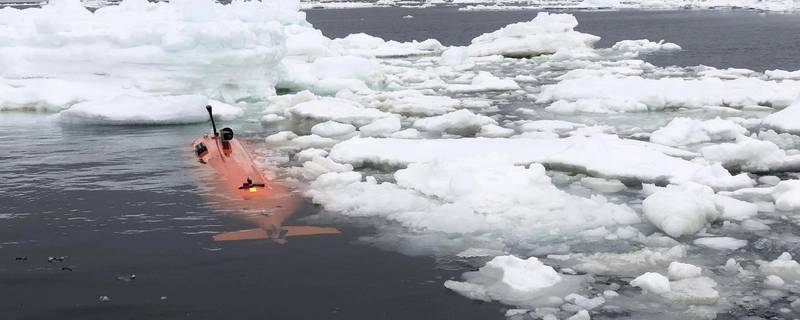
The new AUV, expected to arrive in winter 2026/2027, will match Ran’s capabilities while adding improved navigation and emergency decision support. Researchers will be able to deploy Ran II not only in polar waters but also closer to home, in the Baltic Sea, through a collaboration with the Voice of the Ocean Foundation. The initiative will give scientists access to advanced autonomous platforms and high-resolution data, accelerating marine research in Sweden and abroad.
Sanna Thimmig Johansen, CEO of the Voice of the Ocean, said the project would deepen understanding of ocean changes and strengthen Sweden’s role at the forefront of polar science.
When commissioned in 2018, Ran was one of just three AUVs of its type worldwide and the only one in Sweden. Over six years, it contributed to technological development, education, and survey work in Swedish and international waters. Rapid advances in artificial intelligence and data interpretation mean that Ran II will build on that legacy, offering new tools for navigation, mission planning, and environmental monitoring.
Share this WeathÉire story: