


Remembering Ireland’s 2000 Floods 25 Years On
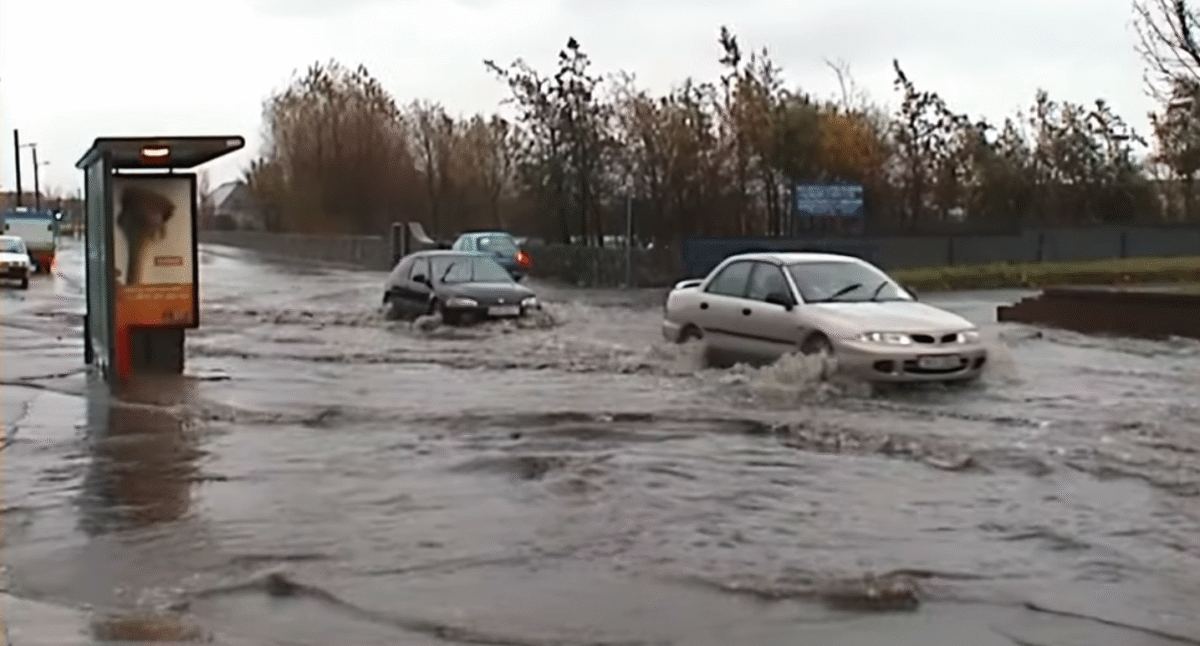
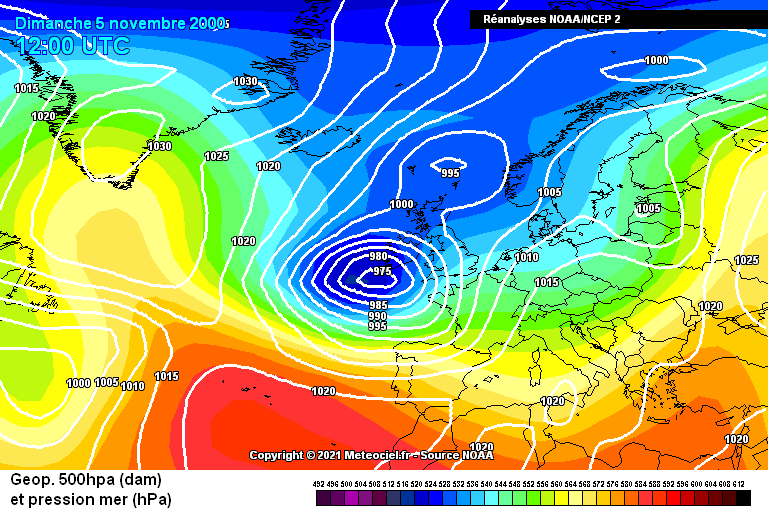
This week marks the 25th anniversary of one of Ireland’s most damaging weather events in recent history. On 5 and 6 November 2000, a deep Atlantic depression brought torrential rain and storm-force winds across the country, triggering widespread flooding and disruption.
Rain began early on Sunday 5 November over Kerry as the depression approached the southwest coast. It intensified as it moved east, deepening to 969 hPa over southern England by midday on 6 November. Heavy rainfall spread quickly across eastern, southern and midland counties, remaining persistent near the east and southeast coast until the following afternoon.
Rainfall totals were exceptional. Glenasmole in the Dublin Mountains recorded 95mm between noon and midnight on the 5th. Glenmacnass in Wicklow saw 142mm in 24 hours, while Mt Melleray in Waterford recorded 97.8mm.
These totals rivalled those seen during Hurricane Charley in August 1986, with some areas in the southeast exceeding Charley’s daily totals, although not breaking the all-time record.
Flooding caused severe transport disruption and extensive property damage. Roads became impassable and emergency services were stretched to their limits. The harbour and beach in Bray, County Wicklow, was flooded and impassable. In Waterford City, more than a dozen families were evacuated from Hillview Estate, while Army personnel sandbagged homes in Clonmel, County Tipperary. Roads across the southeast, including Kilkenny and Carlow, were submerged, leaving communities isolated.
Dublin was also heavily affected. Serious flooding was reported on Howth Road in Clontarf, Morehampton Road, Kilbarrack Road and the Strawberry Beds in Lucan. Roads near Blanchardstown Shopping Centre were under water, while Gardaí in Tallaght advised motorists to avoid the Belgard Road and Tallaght bypass.
County Cork saw flooding in several areas. Dozens of homes and businesses on the Spa and Bridge Street in Mallow were inundated, with some residents rescued from upper floors. Further downstream in Fermoy, preliminary flood warnings were issued along the river Blackwater. Cork City and suburbs, including Rutland Street, Victoria Cross, Douglas Village, Togher, Sarsfield Road roundabout, Viaduct on the Innishannon Road, Grange Road, Waterfall Road and the Melburn-to-Bishopstown road, were also affected.
Transport links were heavily disrupted. A mudslide near Enniscorthy closed the Rosslare-Dublin railway line, forcing Iarnród Éireann to bus passengers to their destinations.
Met Éireann estimated the cost of flood damage at around €240 million. Contemporary reports highlighted the scale of the crisis. The Irish Times described submerged roads and isolated communities, noting that some roads were impassable as rivers continued to rise and authorities warned of further risks.
Share this WeathÉire story: