


Tourists Unwittingly Track Plant Takeover
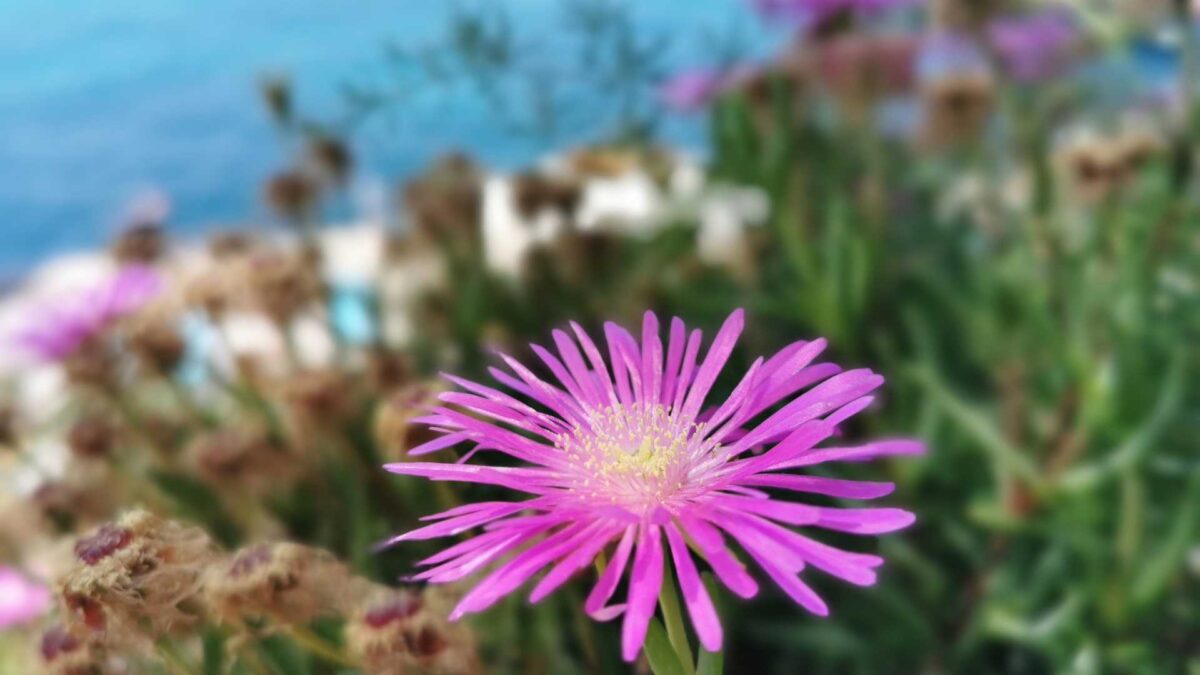
Researchers at the University of Galway have led a global study showing how a colourful succulent plant is quietly spreading across coastlines and threatening native ecosystems.
The plant, Carpobrotus (pictuired above), also known as ice plant or sour fig, is native to South Africa but now grows aggressively in places like California, the Mediterranean, New Zealand and Argentina.
The study found that Carpobrotus flowers for longer in these new environments than it does in its native range. This extended blooming season allows it to produce more seeds and spread faster than local plants. The plant forms thick mats that can cover up to 50 square metres, smothering native vegetation, changing soil chemistry and attracting pollinators away from other species.
The findings have been published in the journal Ecological Solutions and Evidence. The research team included scientists from the University of Galway, the Institute of Botany of the Czech Academy of Sciences, the University of Santiago de Compostela in Spain, the Experimental Station of Arid Zones in Spain, Charles University in the Czech Republic, Macquarie University in Sydney, Stellenbosch University in South Africa and Penn State University.
To track the plant’s spread, the team analyzed more than 1,700 photos from social media and citizen science platforms. These images revealed that Carpobrotus adapts its flowering season to match local spring conditions. It blooms in October in New Zealand and in May or June in California and Europe. This flexibility helps it thrive in different climates.
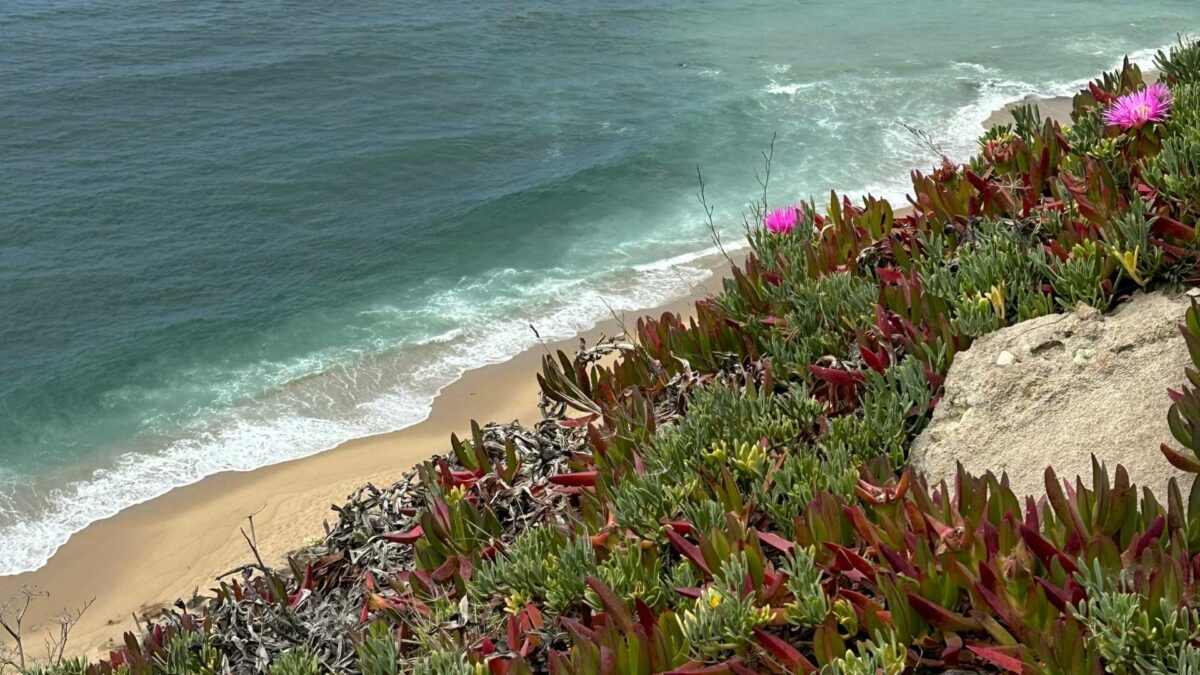
Because the plant spreads both by seed and by broken pieces that can regrow, it is difficult to remove. But knowing when it flowers in each region can help local authorities time their removal efforts before seeds are produced.
The researchers say social media has become a valuable tool for tracking invasive species. Tourist hotspots like California provided lots of data, while remote areas relied on nature-focused platforms such as iNaturalist.
Share this WeathÉire story: