


Invasive mosquito species detected in UK for first time in years

Surveillance teams have detected invasive mosquito species in the United Kingdom, raising concerns about the potential future spread of diseases such as dengue, chikungunya and Zika.
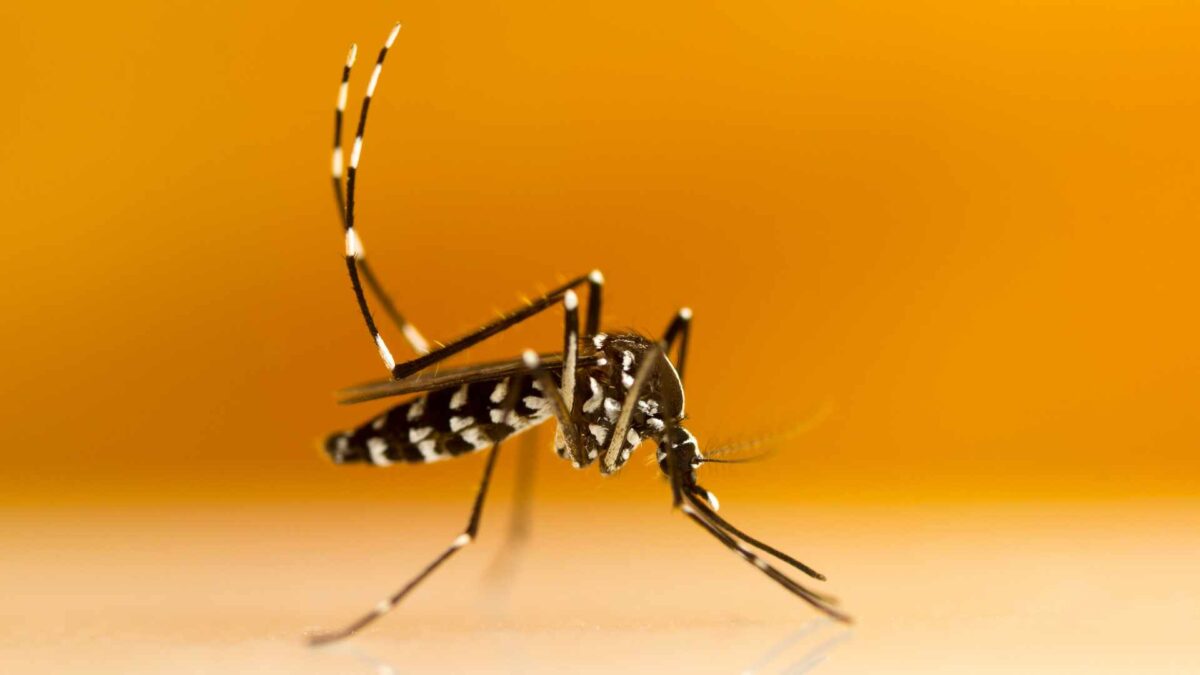
The findings, published in PLOS Global Public Health, describe the discovery of Aedes aegypti eggs at a freight storage facility near London Heathrow Airport in September 2023, and the detection of Aedes albopictus – also known as the tiger mosquito – at a motorway service station in Kent in August 2024. It was the first time the tiger mosquito had been recorded in the UK since 2019.
The research, led by Colin Johnston of the Centre for Climate and Health Security at the UK Health Security Agency (UKHSA), highlights how international transport hubs and rising temperatures are increasing the risk of incursions by invasive mosquito species.
Historically, Aedes aegypti and Aedes albopictus were confined to tropical and subtropical regions. However, in recent decades Aedes albopictus has spread widely across southern and central Europe, demonstrating its capacity to adapt to cooler, temperate climates. Climate change, with warmer summers and milder winters, is expected to expand the range of these mosquitoes further north.
The UKHSA, working with partners including Edge Hill University, has carried out annual surveillance since 2020, deploying ovitraps at airports, seaports and motorway service stations from June to October. Eggs collected are analysed using both morphological and molecular techniques.
While there is currently no evidence of established populations of either species in the UK, Johnston warned that repeated detections underline the importance of vigilance.
“Each detection triggered enhanced local surveillance and control measures,” he said. “The fact that no further specimens were found suggests these were isolated incursions. But the collaborative efforts between UKHSA, local authorities and landowners were key to preventing the establishment of invasive mosquitoes.”
UKHSA said it would continue working with local authorities, landowners and citizen science projects to ensure a rapid response to new detections.
Share this WeathÉire story: