



Billion-Year-Old Fungi Rewrite Evolutionary History
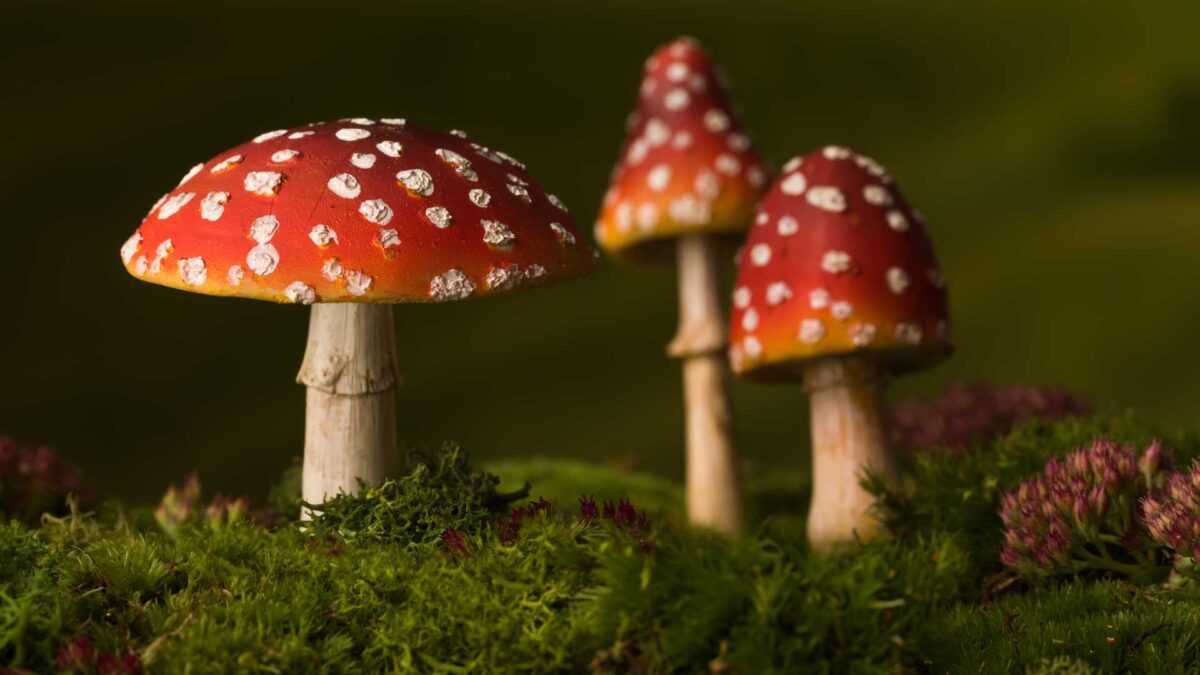
An international team of scientists has pushed back the origin of fungi to between 900 million and 1.4 billion years ago, far earlier than previously believed.
The findings, published in Nature Ecology & Evolution, suggest fungi were living on Earth hundreds of millions of years before animals and plants appeared.
The research combined fossil evidence, genomic data from over 100 fungal species and horizontal gene transfers, a rare process in which genes jump between species, to establish more accurate evolutionary timelines.
“It is highly likely fungi were already around over a billion years ago, making them one of the oldest major groups of eukaryotes,” said Eduard Ocaña, a Ramon y Cajal researcher at the Universitat Oberta de Catalunya.
The study also suggests fungi were among the first terrestrial organisms, forming ecological relationships with early plant ancestors and contributing to the formation of the first soils.
By decomposing minerals and recycling nutrients, fungi helped make Earth more hospitable for later life.
Researchers hope the methodology can now be applied to other major groups of eukaryotes to refine our understanding of the evolutionary history of complex life.
Share this WeathÉire story: