


Third outbreak of avian influenza confirmed in Monaghan turkey flock
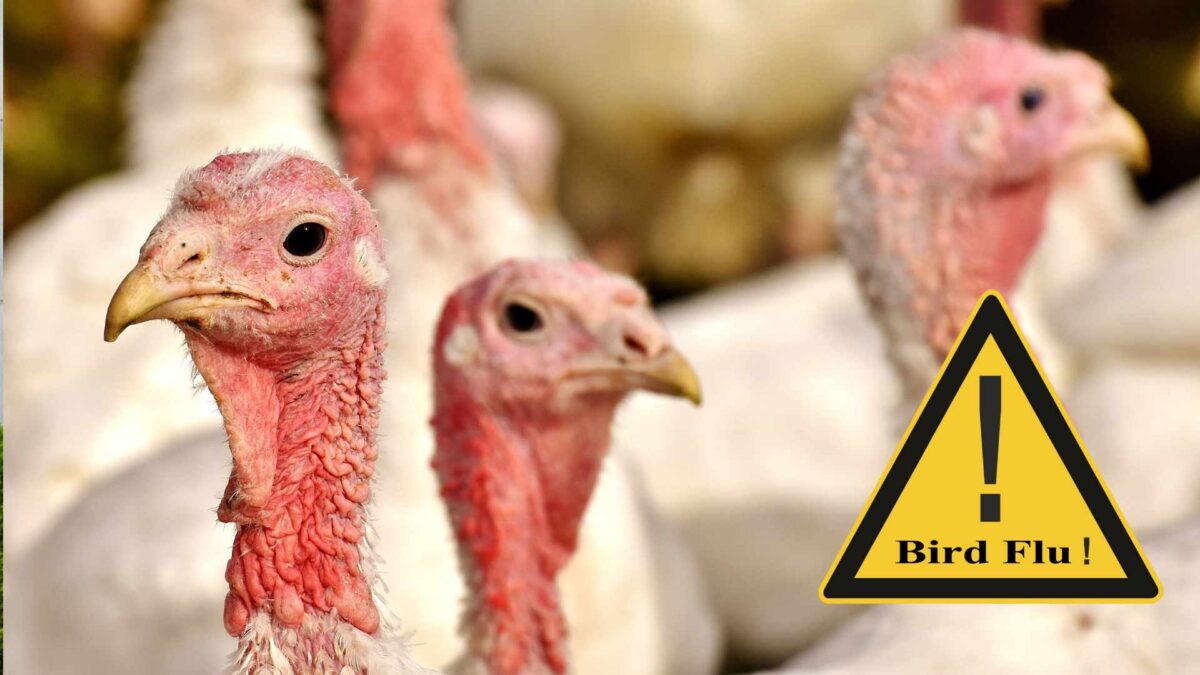
The Minister for Agriculture, Food and the Marine, Martin Heydon, has confirmed a third outbreak of highly pathogenic avian influenza H5N1 in a commercial turkey flock near Clontibret in County Monaghan.
Restriction zones have been put in place around the affected farm, including a three-kilometre protection zone and a 10-kilometre surveillance zone, in line with national and European Union legislation. The outbreak follows two others last week in turkey flocks in Counties Meath and Carlow.
The announcement comes as a mandatory housing order for all poultry and captive birds came into effect yesterday. The order also bans gatherings of birds from different premises, such as shows, fairs and sales, to reduce the risk of infection.
Minister Heydon said the outbreak highlighted the ongoing risk to poultry and captive birds. He said the virus was circulating in wild birds across the country and that the compulsory housing and biosecurity measures would help reduce the risk. He urged all poultry owners to maintain strict biosecurity and expressed sympathy to affected flock owners.
The HSE Health Protection Surveillance Centre and the European Centre for Disease Prevention and Control have advised that the risk to human health from the circulating strain of avian influenza is very low. Members of the public are advised not to handle sick or dead wild birds and to report them using the Department’s AvianCheck app.
The Department of Agriculture reminded all flock owners to comply with housing and biosecurity regulations, remain vigilant for signs of disease and report any suspicions to their local veterinary office or the National Disease Emergency Hotline. Unregistered flocks, including small backyard flocks, must also register with the Department.
Since 1 November, compulsory biosecurity measures have required specific procedures for all poultry and captive bird keepers, with enhanced measures for flocks of 350 birds or more. The housing order requires birds to be confined so they cannot come into contact with other birds, and the movement of poultry, eggs, and used litter within restriction zones is strictly controlled.
Signs of avian influenza in birds include swollen heads, discolouration of the neck and throat, loss of appetite, respiratory distress, diarrhoea and a drop in egg production, although symptoms vary by species.
Further information on avian influenza is available here.
Share this WeathÉire story: